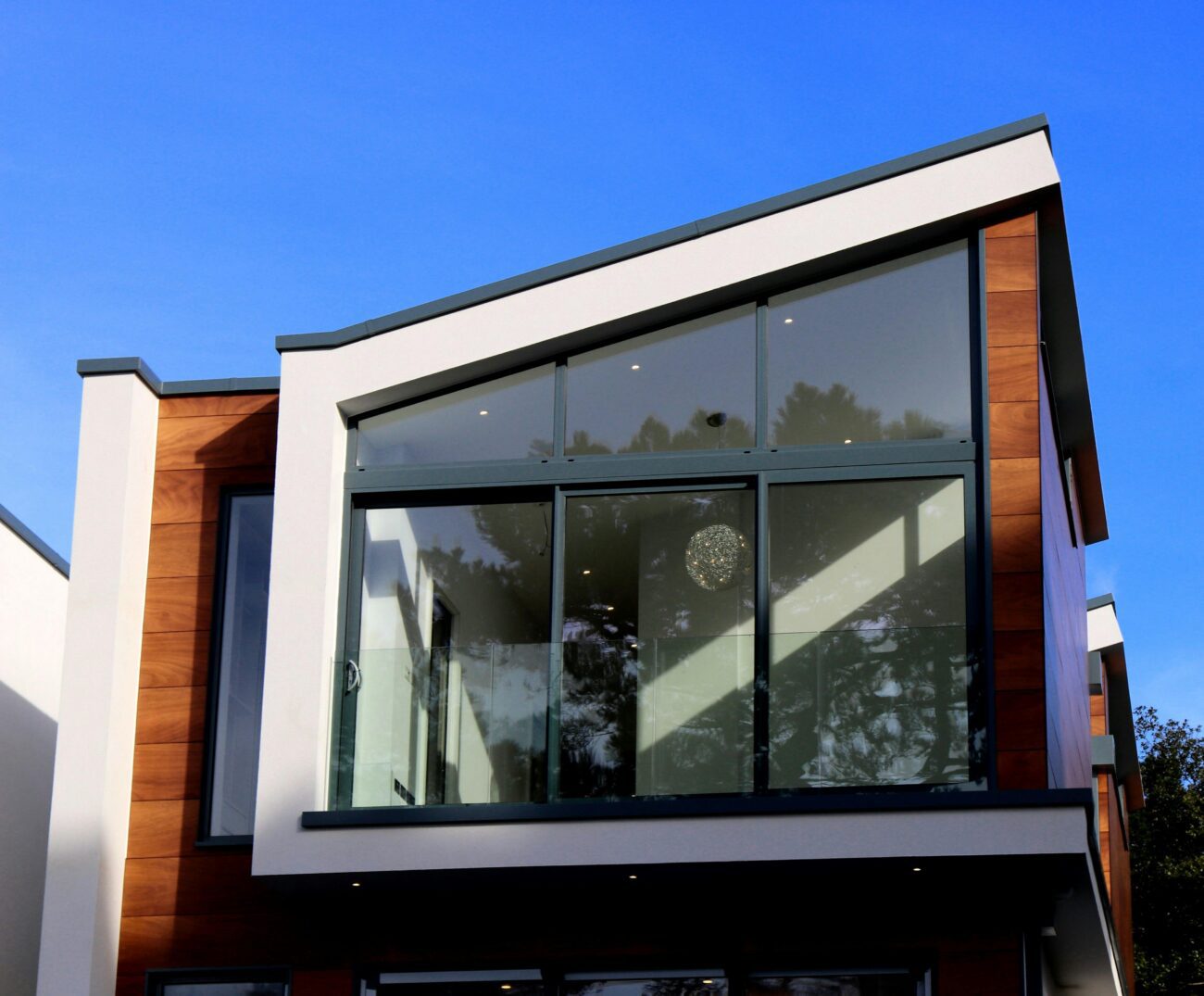
In today’s competitive real estate market, making your home listing stand out is crucial. One of the most effective ways to do this is through virtual real estate staging. This innovative approach allows sellers to create an inviting atmosphere that helps potential buyers envision themselves living in the space. In this comprehensive guide, we’ll explore virtual staging, its benefits, and how to implement it effectively to maximize your home’s appeal.
What is Virtual Real Estate Staging?
Virtual real estate staging involves using digital technology to furnish and decorate a property in photos. Designers create realistic 3D renderings of furniture, decor, and accessories, allowing sellers to showcase the property in the best light without the costs and labor associated with physical staging.
Key Differences Between Virtual and Traditional Staging
- Cost-Effectiveness: Traditional staging requires renting furniture and decor, often totaling thousands of dollars. Virtual staging is typically more affordable, with costs ranging from $30 to $200 per image.
- Flexibility: Digital staging allows changes to furniture and layouts without physical labor. Sellers can quickly test different styles to see what appeals most to buyers.
- Time Efficiency: Traditional staging can take several days or weeks, while virtual staging can be completed within hours or a couple of days.
The Benefits of Virtual Staging
1. Enhanced Visual Appeal
High-quality virtual staging can dramatically enhance the visual appeal of a listing. Professional designers utilize virtual tools to create inviting, stylish, and functional spaces that draw potential buyers’ interest.
2. Wider Audience Reach
Today’s home buyers conduct most of their searches online. Virtual staging allows listings to shine in digital formats, making properties more attractive on websites, social media, and virtual tours. The more appealing your listing is online, the greater your chances of attracting interested buyers.
3. Increased Selling Price
A well-staged home—virtual or otherwise—often sells for a higher price. According to a study by the National Association of Realtors, staged homes sell 73% faster than unstaged homes and can increase offers by 1-5% compared to unlisted homes.
4. Overcoming Empty Space Challenges
Empty homes can feel cold and unwelcoming. Virtual staging provides context, making rooms look more inviting by showing buyers how spaces can be used. This is especially vital in homes with unique layouts.
How to Implement Virtual Real Estate Staging Effectively
1. Choose the Right Virtual Staging Service
Selecting a reputable virtual staging company is pivotal. Look for services that offer high-resolution images and a portfolio showcasing previous work. Read reviews to ensure they deliver quality and reliability.
2. Provide Quality Photos
The images you supply to the staging service should be high resolution and well-lit. Professional photos help ensure that the virtual staging looks realistic and appealing.
3. Customize the Design
Communicate your style and target audience to the staging designers. Whether the property is a modern condo or a classic family home, tailor the staging to match the potential buyer demographic.
4. Showcase Key Areas
Focus on key areas of the home that significantly impact buyer perception, such as the living room, kitchen, and master bedroom. These spaces often play a pivotal role in a buyer’s decision-making process.
5. Keep it Realistic
While the aim is to entice buyers, it’s essential that virtual staging maintains a sense of realism. Avoid overly stylized designs that may mislead buyers or create unrealistic expectations.
6. Highlight Unique Features
If your property has special features—like high ceilings, natural lighting, or architectural details—ensure they’re highlighted in the staging. This helps potential buyers appreciate the home’s unique selling points.
7. Use Virtual Tours
After staging, consider creating a virtual tour of the property to enhance the online listing. This can give buyers a more immersive experience and a better sense of the home’s layout and flow.
Case Studies: Success Stories of Virtual Staging
Example 1: The Renovated Family Home
A seller used virtual staging to transform an updated but empty family home. By virtually adding cozy furniture and decor, the home received multiple offers and sold for 10% above the asking price within weeks.
Example 2: The Urban Loft
An urban loft that had been on the market for months was virtually staged with trendy, minimalistic furnishings. This fresh look captured the attention of a young professional couple, leading to a quick sale.
Conclusion: Elevate Your Listing with Virtual Staging
In an era where first impressions matter more than ever, virtual real estate staging offers a powerful solution to showcase properties attractively and affordably. By providing a visual narrative and enhancing your home’s appeal, you not only attract more views but also pave the way for quicker sales at higher prices. Embrace the power of virtual staging to transform your home listing into an enticing opportunity for potential buyers.
