In the competitive world of real estate, the power of exceptional photography cannot be overstated. A captivating image can transform a listing and entice potential buyers, affecting their first impression significantly. This article highlights ten essential tips to help you capture stunning real estate photography that will elevate your listings and draw in potential clients.
1. Use the Right Equipment
While stunning images can be captured on smartphones today, investing in a quality DSLR or mirrorless camera can take your photography to the next level. Look for cameras with a wide dynamic range, as these will help in capturing details in both highlights and shadows. Additionally, a good tripod is essential for stability and long exposure shots, ensuring crisp and clear images.
2. Master the Art of Composition
Composition is crucial in photography. Consider the “Rule of Thirds,” where you divide your frame into a tic-tac-toe grid. Position key elements along these lines or at their intersections to create a more balanced and compelling image. Ensure that any symmetry in the room is showcased, as this often draws the viewer’s eye.
3. Harness Natural Light
Natural light is your best friend in real estate photography. When possible, schedule your shoots during the golden hours—early morning or late afternoon—when the sunlight is soft and flattering. Avoid harsh midday light that can create unflattering shadows. Open blinds, curtains, and turn on lights to illuminate dark corners and create a bright, inviting ambiance.
4. Showcase the Key Features
Whether it’s a stunning fireplace in the living room or expansive windows with a view, highlight the key features of the property. Zoom in on unique architectural details or interesting textures, such as the grain of wooden floors or the sparkle of modern fixtures. This not only showcases the property but also helps potential buyers envision themselves in the space.
5. Declutter and Stage the Space
Before taking your pictures, ensure that the property is clean and clutter-free. Remove personal items, excess furniture, and any distractions that might divert attention from the home’s best features. If possible, consider staging the space with appealing furnishings to help prospective buyers visualize the potential of the home.
6. Use Wide-Angle Lenses
Wide-angle lenses are essential for real estate photography. These lenses allow you to capture more of the room in a single shot, making spaces appear larger and more inviting. Aim for a lens that provides a focal length between 14mm and 24mm. Just be cautious of distortion; avoid extreme wide angles, which can make walls appear to curve unnaturally.
7. Pay Attention to Vertical Lines
Aligned vertical lines convey professionalism and create an accurate representation of the space. Make sure these lines, especially those of walls, doors, and windows, are straight and not leaning. You can correct minor deviations in post-processing, but it’s best to minimize them during the shoot.
8. Edit for Enhancement, Not Overhaul
Post-processing allows you to enhance your images but be cautious not to over-edit. Brightness, contrast, and saturation adjustments can be beneficial, but strive for a natural look. Use software like Adobe Lightroom or Photoshop for fine-tuning, and consider removing distractions or imperfections while keeping the overall essence of the property intact.
9. Capture the Exterior
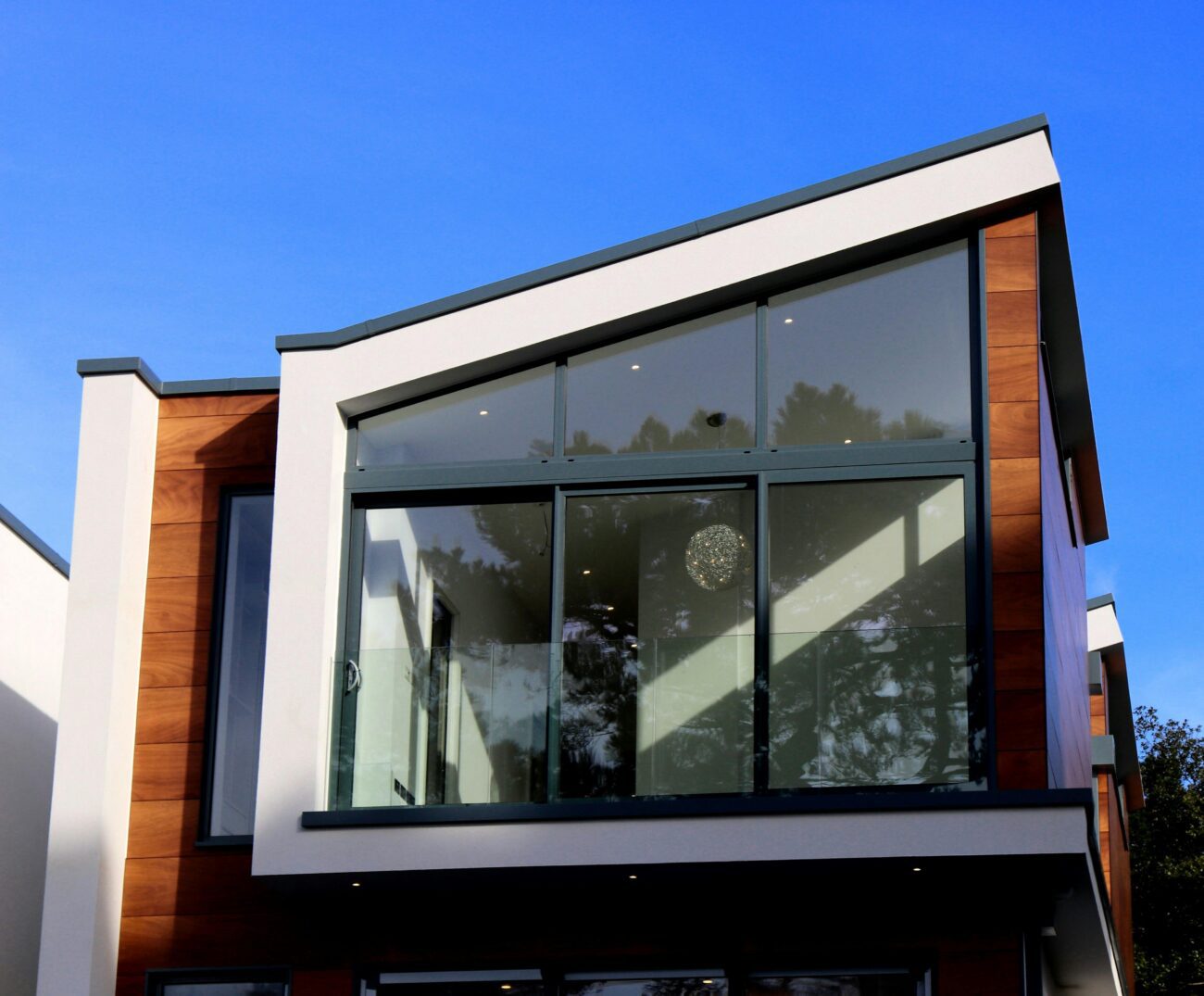
Don’t forget to showcase the exterior of the property! The curb appeal often impacts buyer interest. Take wide shots that encompass the entire house and its surroundings, highlighting outdoor features such as landscaping, patios, and pools. Shoot from multiple angles to give viewers a comprehensive view of the property.
10. Create a Virtual Tour
In today’s digital era, virtual tours can significantly enhance your listings. Combining high-quality images with a narrative walkthrough or a 360-degree virtual tour provides potential buyers with an engaging experience. Not only does it help in showcasing the flow of the property, but it also establishes a deeper emotional connection.
Conclusion
Effective real estate photography is a blend of technical skill, artful composition, and detailed presentation. By implementing these ten essential tips, you can create eye-catching images that enhance your listings and attract potential buyers. In a field where first impressions matter, your photography can make all the difference between a ‘just look’ and a serious inquiry. Embrace these techniques, and watch your listings flourish!
