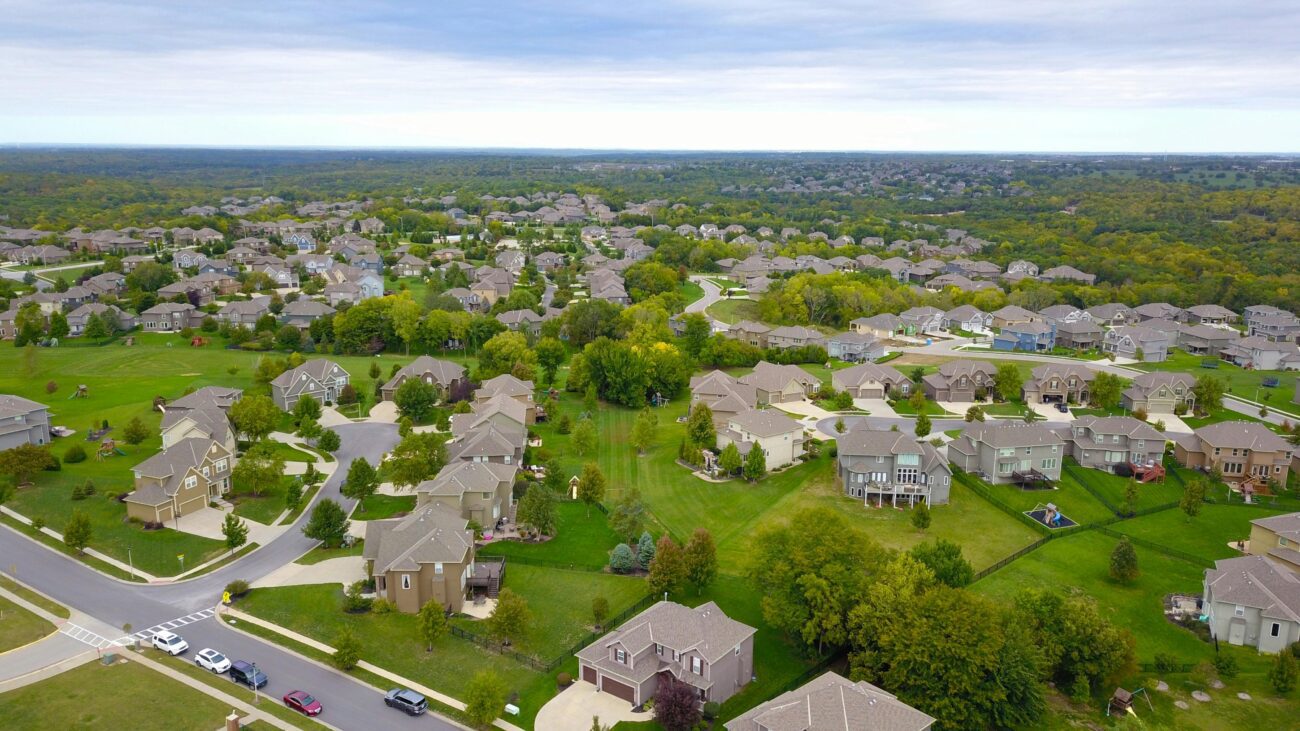
Navigating the real estate landscape in Colorado can be both rewarding and complex. Whether you’re a seasoned professional or a first-time homebuyer, understanding the regulations and resources provided by the Colorado Division of Real Estate (DRE) is essential. This guide delves into the DRE’s role, its regulations, useful resources, and vital industry insights to help you make informed decisions.
What is the Colorado Division of Real Estate?
The Colorado Division of Real Estate, a part of the Department of Regulatory Agencies (DORA), oversees the licensing and regulation of real estate professionals in the state. Established to protect consumers and ensure a fair and competent real estate market, the DRE plays a crucial role in managing the behavior and practices of real estate brokers, appraisers, and mortgage originators.
Key Responsibilities
-
Licensing: The DRE issues licenses to real estate professionals, ensuring that they meet educational and ethical standards.
-
Regulation: It establishes regulations to govern the conduct of real estate professionals, protecting consumers from fraudulent practices.
-
Education: The division provides educational resources for both consumers and industry professionals, promoting best practices within the market.
-
Disciplinary Actions: The DRE investigates complaints against licensees and can take disciplinary actions if violations occur.
Understanding Colorado Real Estate Regulations
Understanding the regulations governed by the DRE is critical for anyone involved in the real estate market in Colorado. Here are some key regulations you should be aware of:
Licensing Requirements
To work as a real estate broker in Colorado, one must complete the following:
- Education: Complete the required coursework, including Real Estate Law, Contracts, and Ethics.
- Examination: Pass the Colorado Real Estate Broker Exam.
- Background Check: Submit to a criminal background check to ensure compliance with ethical standards.
Continuing Education
Licensees are required to complete ongoing continuing education (CE) courses every three years to maintain their licenses. This ensures that professionals keep pace with changes in real estate law, best practices, and industry standards.
Agency Relationships
The DRE emphasizes understanding agency relationships in real estate transactions. Colorado laws define the different roles of brokers:
- Buyer’s Agent: Represents the buyer’s interests.
- Seller’s Agent: Represents the seller’s interests.
- Transaction Broker: Facilitates the transaction without representing either party.
Understanding these roles can help you navigate real estate transactions more effectively.
Valuable Resources from the DRE
The Colorado Division of Real Estate provides numerous resources for both consumers and professionals:
Online Databases and Tools
- License Lookup: Verify the license status of real estate professionals in Colorado.
- Educational Resources: Access a wealth of online courses and materials tailored to enhance your real estate knowledge.
- Consumer Guides: Find practical guides covering topics from buying and selling homes to understanding lease agreements.
Publications and Newsletters
The DRE regularly publishes newsletters and bulletins that update the industry regarding regulatory changes, market trends, and educational opportunities. Staying subscribed to these newsletters can provide valuable insights.
Complaint Process
If you believe a real estate agent or broker has acted unethically or illegally, you have the right to file a complaint with the DRE. The division investigates all complaints and can impose sanctions if necessary.
Insights Into the Colorado Real Estate Market
Trends to Watch
Understanding current trends in Colorado’s real estate market can provide strategic advantages for both buyers and sellers:
- Inventory Shortages: Many urban areas in Colorado face low housing inventory, leading to competitive bidding and rising prices.
- Remote Work Influence: The rise in remote work has caused shifts in housing demand, with increased interest in suburban and rural properties.
- Sustainable Living: More buyers are seeking eco-friendly homes and energy-efficient features, aligning with broader societal trends toward sustainability.
The Importance of Local Expertise
Each community in Colorado has unique characteristics and market behaviors. Collaborating with a local real estate expert can offer insights into neighborhoods, pricing trends, and investment potentials that generic data cannot provide.
Concluding Thoughts
The Colorado Division of Real Estate plays a pivotal role in maintaining a fair and transparent real estate environment. By understanding its regulations and leveraging available resources, real estate professionals, and consumers can navigate the market successfully.
As you embark on your real estate journey in Colorado, whether buying, selling, or investing, staying informed and compliant with the DRE’s regulations will empower you to make educated decisions. Utilize the robust resources available, continue your education, and consider the expert guidance of local professionals to enhance your real estate experience.
By acquiring this knowledge, you not only safeguard your interests but contribute to a more ethical and effective real estate industry in Colorado.
