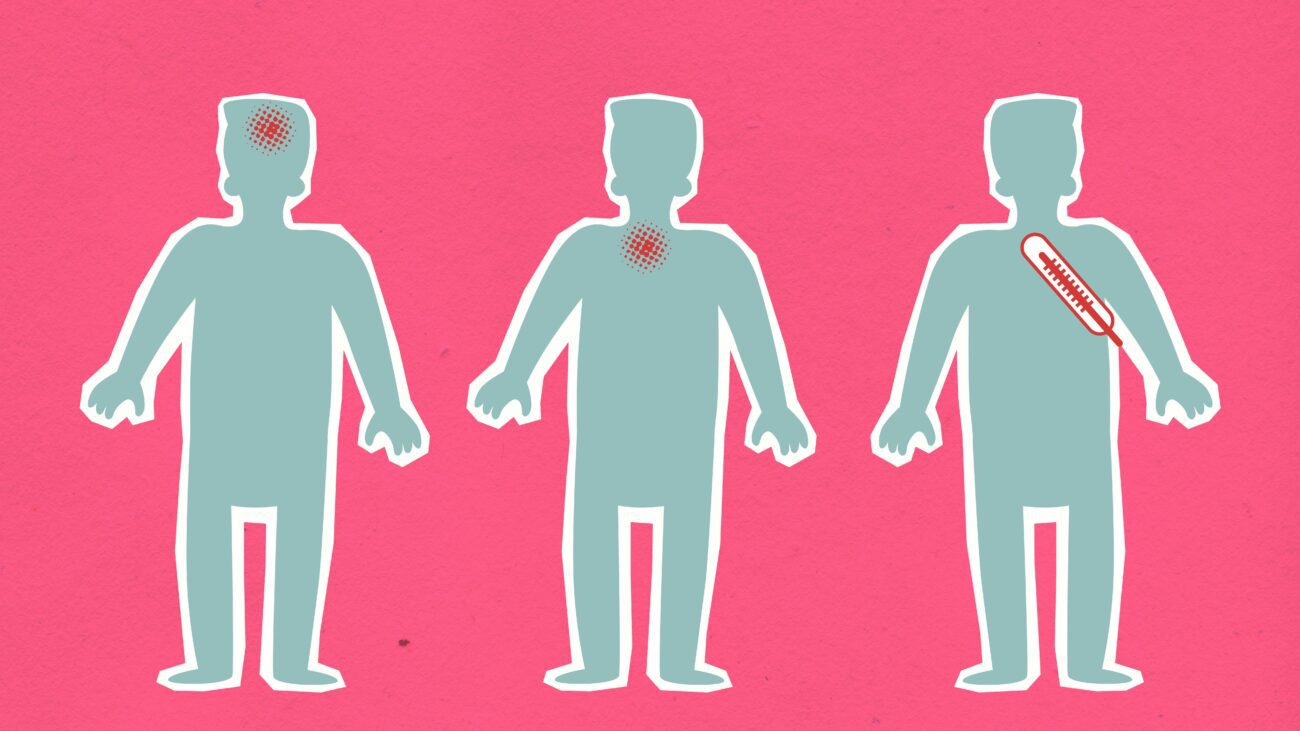
Low blood sugar, or hypoglycemia, can be a serious condition affecting individuals, especially those with diabetes. Understanding its symptoms is crucial for effective management and prevention. This essential guide will provide you with valuable information about recognizing, preventing, and addressing hypoglycemia.
What is Hypoglycemia?
Hypoglycemia occurs when blood glucose levels drop below normal, typically defined as less than 70 mg/dL (milligrams per deciliter). Glucose is the body’s primary energy source, and when levels fall too low, it can lead to symptoms ranging from mild to severe.
Causes of Low Blood Sugar
While hypoglycemia is often associated with diabetes medications, it can also occur due to several other factors, including:
- Skipping meals: Prolonged periods without food can lead to insufficient glucose.
- Excessive exercise: Overexertion can deplete glucose stores.
- Alcohol consumption: Drinking alcohol can interfere with gluconeogenesis, the liver’s ability to produce glucose.
- Certain medications: Non-diabetic medications can also trigger hypoglycemia in some individuals.
Common Symptoms of Low Blood Sugar
Recognizing the symptoms of hypoglycemia is critical to prevent potential complications. Signs can vary by individual but often include:
Early Symptoms
- Shakiness: Feelings of tremors or shakiness are common as adrenaline is released.
- Sweating: Cold, clammy skin may present as the body reacts to low glucose.
- Nervousness or Anxiety: Increased heart rate and feelings of anxiety can manifest.
- Hunger: A sudden, intense feeling of hunger often arises.
Moderate Symptoms
As blood sugar levels continue to drop, other symptoms may appear:
- Dizziness or Lightheadedness: A feeling of unsteadiness can occur.
- Confusion: Difficulty concentrating or haziness can affect cognitive function.
- Irritability: Emotional changes may escalate, causing mood swings.
Severe Symptoms
If not addressed, hypoglycemia can lead to severe symptoms, including:
- Seizures: Intense shaking or convulsions may occur.
- Loss of Consciousness: Severe low blood sugar can lead to fainting or unconsciousness.
- Difficulty speaking: Slurred speech may indicate severe hypoglycemia.
Management of Low Blood Sugar
Addressing low blood sugar quickly is essential. Here’s what you can do:
Immediate Steps
- Consume Fast-Acting Carbohydrates: Eating or drinking something high in sugar (like glucose tablets, fruit juice, or regular soda) can rapidly elevate blood sugar levels.
- Recheck Your Blood Sugar: After 15 minutes, check your blood sugar again. If it remains low, repeat the intake of sugar.
- Follow Up with Sustained Carbohydrates: Once stabilizing, eat a meal or snack that includes carbs and proteins to maintain blood sugar levels.
Prevention Strategies
To minimize the occurrence of hypoglycemia, consider the following strategies:
- Monitor Blood Sugar Levels: Regular monitoring can help anticipate drops before they become severe.
- Eat Regularly: Having scheduled meals and snacks helps maintain consistent glucose levels.
- Educate Others: Ensure friends, family, and coworkers are aware of your condition and know how to help in case of an emergency.
When to Seek Medical Help
Understanding when to seek medical attention is vital. If symptoms are severe or do not improve after consumption of carbohydrates, it’s crucial to call for help. In cases of fainting or seizures, immediate emergency services should be contacted.
Conclusion
Recognizing low blood sugar symptoms is essential for maintaining proper health, especially for individuals living with diabetes. By being aware of the signs, taking proactive steps to manage your blood sugar, and educating those around you, you can significantly reduce your risk of experiencing hypoglycemia. Knowledge and preparedness are your best allies in managing this condition effectively.
Stay informed, listen to your body, and prioritize your health — recognizing hypoglycemia can save your life.
