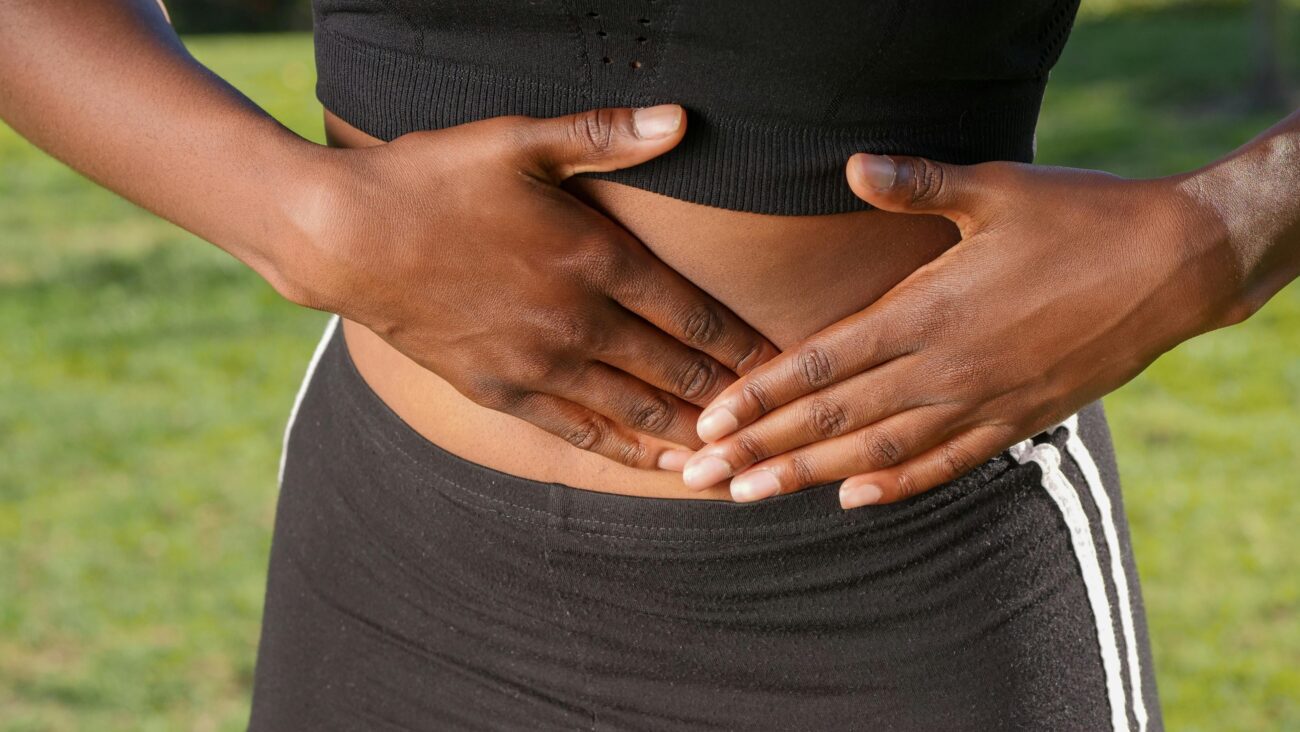
Pelvic Inflammatory Disease (PID) is an often-overlooked infection that can have serious repercussions for women’s reproductive health. In this comprehensive guide, we’ll explore the key symptoms of PID, the potential complications, and when it is crucial to seek medical help.
What is PID?
Pelvic Inflammatory Disease is an umbrella term for infections that affect a woman’s reproductive organs, including the uterus, fallopian tubes, and ovaries. PID is primarily caused by sexually transmitted infections (STIs) such as chlamydia and gonorrhea, but other bacteria can also lead to the condition. Understanding PID symptoms is vital for early detection, which can prevent severe complications like infertility or chronic pelvic pain.
Key Symptoms of PID
Recognizing the signs of PID can be challenging, as symptoms may vary significantly in intensity and not all women will experience the same signs. Here are the most common symptoms to watch for:
1. Pelvic Pain
Pelvic pain can be mild to severe and is often the first noticeable symptom of PID. It typically manifests as a sharp, stabbing pain in the lower abdomen or a dull ache that persists. The pain may worsen during menstruation or sexual intercourse.
2. Abnormal Vaginal Discharge
Women with PID may notice an increase in vaginal discharge, which can be odorous or discolored. This alteration in discharge may indicate an infection in the reproductive tract.
3. Menstrual Irregularities
Some women experience changes in their menstrual cycle, including heavier or irregular bleeding. This can be a result of the inflammation caused by the infection.
4. Low-Grade Fever
A persistent low-grade fever, typically ranging from 100°F to 102°F (37.7°C to 38.9°C), is another common symptom. A fever may accompany other manifestations of PID, signaling the body’s response to infection.
5. Painful Urination and Bowel Movements
Infection may irritate pelvic structures, leading to discomfort during urination or bowel movements. This symptom is often overlooked but can indicate the presence of PID.
6. Nausea and Vomiting
In more severe cases, women may experience gastrointestinal symptoms such as nausea or vomiting, potentially as a result of the pain or the body’s reaction to infection.
7. Fatigue
Chronic fatigue or general malaise can accompany PID, as the body expends energy fighting off infection.
When to Seek Help
If you experience any combination of these symptoms, it’s crucial to seek medical attention promptly. Early diagnosis and treatment are essential to prevent complications like adhesions, abscesses, and long-term impacts on fertility.
High-Risk Factors
Certain factors may increase your risk for developing PID, including:
- Having multiple sexual partners
- Inconsistent use of condoms
- Being under 25 years of age
- Having a history of STIs
If you fit into one or more of these categories, scheduling regular gynecological check-ups is vital, even if you are asymptomatic.
Diagnosis and Treatment
Diagnosing PID typically involves a combination of a physical exam, pelvic ultrasound, and laboratory tests to identify the presence of infection. Treatment commonly includes a course of broad-spectrum antibiotics. It is essential to complete the entire course of prescribed antibiotics, even if symptoms improve, to ensure the infection is fully eradicated.
Additional Considerations
In severe cases, hospitalization may be required for intravenous antibiotics or surgical intervention if an abscess forms. It is also important for sexual partners to be evaluated and treated as necessary to prevent reinfection.
Prevention Strategies
Preventing PID involves taking proactive steps to reduce your risk of STIs:
- Practice Safe Sex: Use condoms consistently and correctly.
- Get Regular STI Screenings: Routine check-ups can help catch infections early.
- Limit Sexual Partners: Reducing the number of sexual partners can lower your risk.
- Communicate with Partners: Discuss STI testing and safe sex practices openly.
Conclusion
Understanding PID symptoms is crucial for women’s reproductive health. While PID is often preventable, awareness and timely action are key. If you experience any symptoms or fall into a high-risk category, don’t hesitate to seek medical advice. Empowering yourself with knowledge about PID can lead to better health outcomes and preserve your reproductive well-being.
If you found this article helpful, consider sharing it with friends or loved ones who could benefit from this information. Your journey to understanding PID could help someone take essential steps toward maintaining their health.
