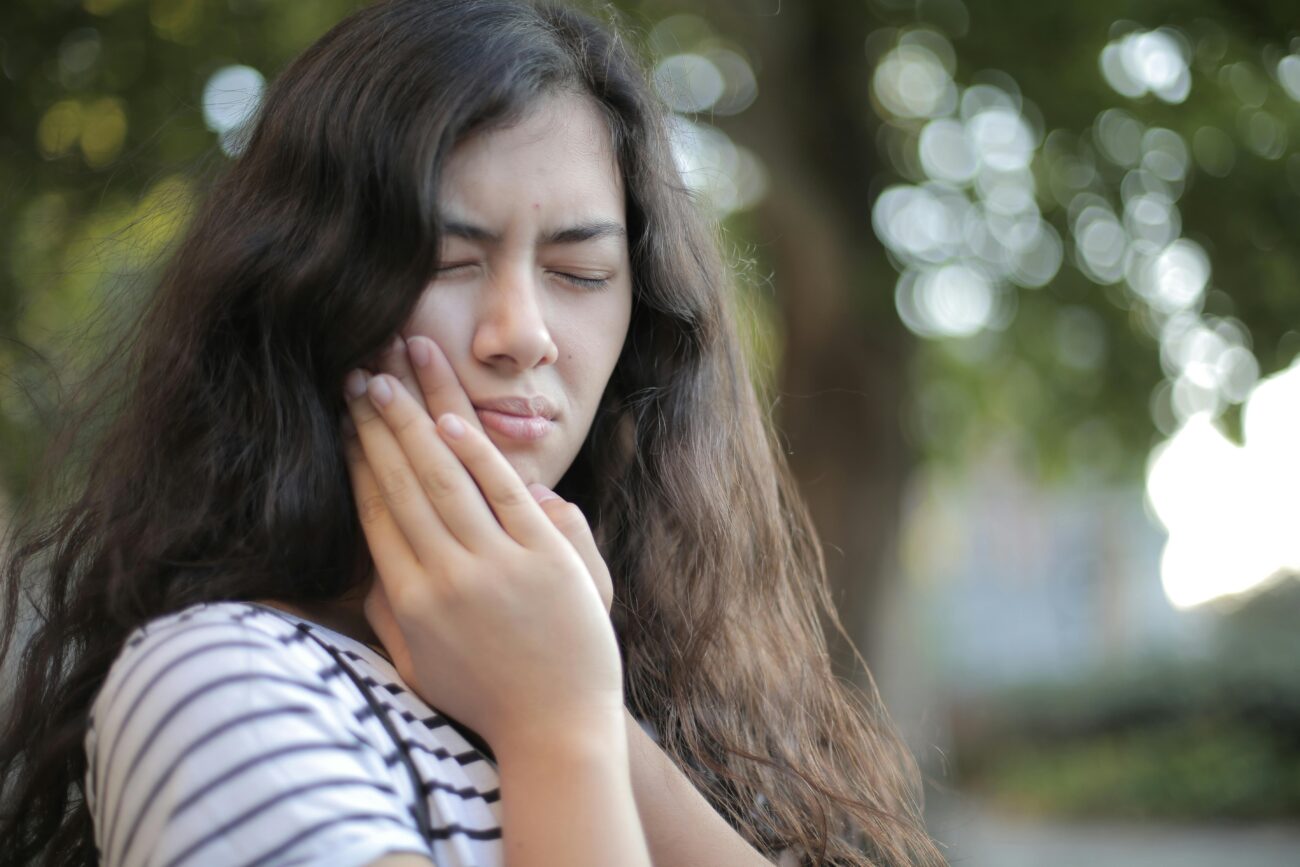
Navigating the complexities of menstruation can feel overwhelming, especially for those who are new to it. Menstrual symptoms can vary widely, from mild discomfort to debilitating pain. Understanding these common signs will empower you to manage your cycle more effectively and have productive conversations with healthcare providers. In this article, we’ll explore key period symptoms, their underlying causes, and tips for symptom relief.
What Are Period Symptoms?
Period symptoms, or menstrual symptoms, are physical or emotional signs that women experience in conjunction with their menstrual cycle. They are often associated with hormonal changes in the body as estrogen and progesterone levels fluctuate. While many women dread their monthly cycle due to symptoms, knowing what to expect can help you feel more in control.
Common Physical Symptoms
-
Cramps:
- Description: Often described as sharp, throbbing, or aching sensations in the lower abdomen.
- Cause: Caused by the contraction of the uterus as it sheds its lining, cramps can vary in intensity. About 50–90% of women report experiencing menstrual cramps, known medically as dysmenorrhea.
-
Bloating:
- Description: A feeling of fullness or swelling in the abdomen.
- Cause: Hormonal fluctuations may lead to fluid retention, causing your belly to feel distended. This is typically most pronounced in the days leading up to your period.
-
Breast Tenderness:
- Description: Soreness or discomfort in the breasts, often described as a heaviness.
- Cause: Increased levels of estrogen and progesterone stimulate breast tissue in preparation for a potential pregnancy, leading to discomfort.
-
Headaches:
- Description: Including tension, migraine, or hormonal headaches.
- Cause: Fluctuating hormones can trigger headaches due to changes in blood flow and chemical balance in the brain.
-
Fatigue:
- Description: Pronounced tiredness or exhaustion, which may include a general lack of energy.
- Cause: Hormonal changes along with potential blood loss can contribute to feelings of fatigue during your period.
Common Emotional Symptoms
-
Mood Swings:
- Description: Rapid changes in emotions, ranging from irritability to sadness.
- Cause: Hormonal shifts during the menstrual cycle can impact neurotransmitters like serotonin, leading to mood fluctuations.
-
Anxiety and Depression:
- Description: An increase in feelings of anxiety or depressive symptoms.
- Cause: Changes in hormone levels can exacerbate feelings of anxiety or depression, particularly in women with premenstrual dysphoric disorder (PMDD).
-
Cravings:
- Description: An increased desire for specific foods, often sweets or carbohydrates.
- Cause: Hormonal changes, particularly drops in serotonin, can drive cravings as the body seeks quick energy sources.
Less Common Symptoms
While the above symptoms are common, some individuals may experience less typical signs that can also be related to menstruation:
- Nausea: Can occur alongside cramps or hormonal fluctuations.
- Joint or Muscle Pain: Some women report increased aches in their joints or muscles during their period.
- Diarrhea or Constipation: Hormonal changes may affect gut motility, leading to gastrointestinal symptoms.
When to Seek Medical Advice
While many symptoms of menstruation are normal, it’s crucial to consult with a healthcare provider if you experience:
- Severe pain that disrupts daily life
- Symptoms that last longer than a week
- Sudden changes in your typical menstrual pattern
- Symptoms accompanied by unusual bleeding or discharge
These signs may indicate underlying conditions such as endometriosis, fibroids, or hormonal imbalances.
Tips for Managing Period Symptoms
-
Track Your Cycle: Keeping a menstrual diary can help identify patterns in your symptoms and inform your healthcare provider.
-
Exercise Regularly: Moderate exercise can help alleviate symptoms, such as bloating and cramps, by improving blood circulation and reducing stress.
-
Dietary Adjustments: Eating a balanced diet rich in whole foods can minimize bloating and cravings. Consider cutting back on caffeine, salt, and refined sugar before your period.
-
Pain Relief: Over-the-counter pain relievers, such as NSAIDs, can help manage menstrual cramps and discomfort.
-
Relaxation Techniques: Practices such as yoga, meditation, or deep breathing can help reduce emotional symptoms and improve overall well-being.
Conclusion
Understanding period symptoms is essential for every woman. While they can be uncomfortable, awareness and proactive management can significantly improve your menstrual experience. Each woman’s cycle is unique, so finding what works for you may take some time. Don’t hesitate to reach out to healthcare professionals when you have concerns. Knowledge is power—empower yourself with the information you need to navigate your menstrual health confidently.
