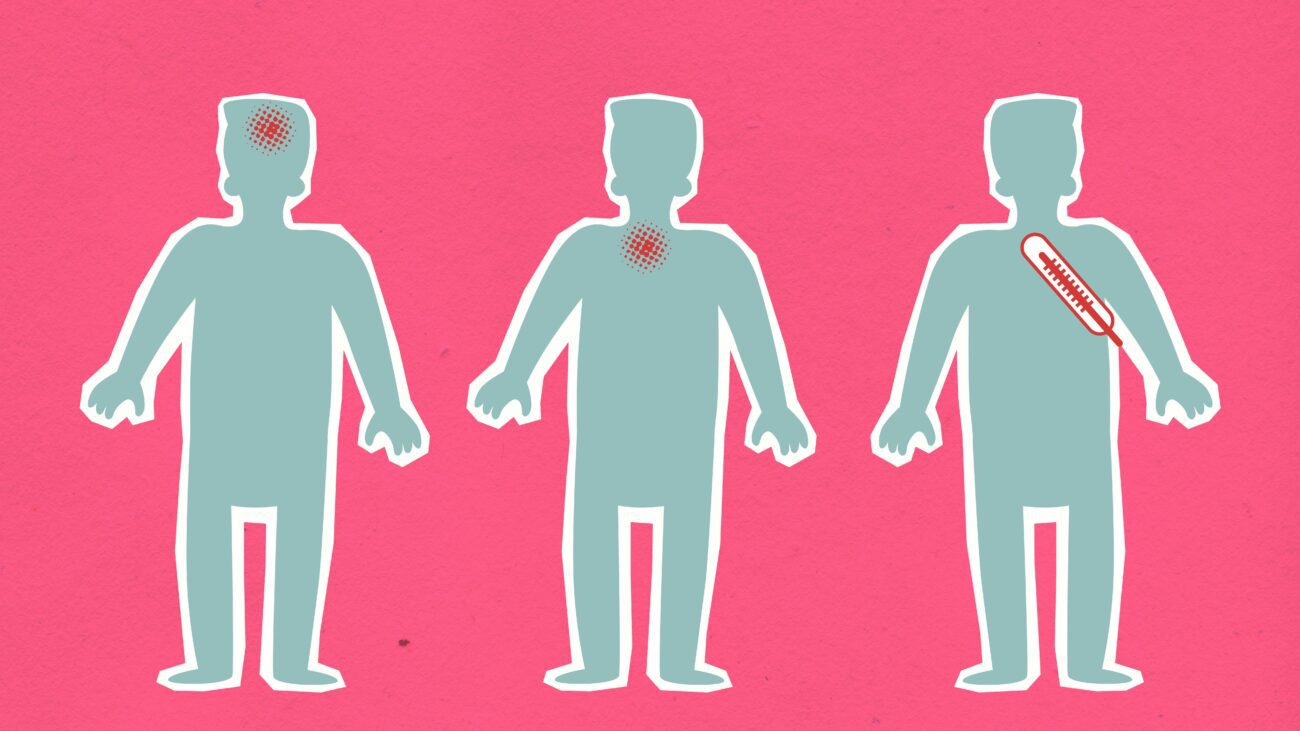
When the temperature drops, our bodies often react in various ways, leading some to suffer from what’s commonly known as “cold head” symptoms. These symptoms can range from mild discomfort to debilitating pain. Understanding the causes and finding effective remedies can make all the difference in navigating through the winter months with ease. Here’s a comprehensive guide to cold head symptoms, their causes, remedies, and tips for relief.
What Are Cold Head Symptoms?
Cold head symptoms encompass a variety of sensations and reactions in the head and facial region that occur when exposed to cold temperatures. These symptoms may include:
- Headaches: Often triggered by sudden exposure to cold weather.
- Sinus Pressure: Inflammation of the sinuses leading to discomfort and pain.
- Throat Irritation: Dry, cold air can lead to a scratchy throat.
- Earaches: Cold weather can aggravate sensitivities in the ear region.
- Nasal Congestion: Cold air can cause the nasal passages to constrict, leading to difficulty breathing.
Recognizing Cold Head Symptoms
It’s important to distinguish these symptoms from those of other conditions like the common cold or flu. Headaches linked to cold exposure often have distinct characteristics, often manifesting more acutely when transitioning from warm environments to cold.
Causes of Cold Head Symptoms
Understanding what drives cold head symptoms can help you mitigate them effectively. Here are some common causes:
1. Vasoconstriction
Cold temperatures cause blood vessels in the head and neck to narrow, resulting in reduced blood flow. This can lead to headaches and a feeling of pressure in the skull.
2. Sinus Irritation
The cold air can dry out mucous membranes, causing irritation in the sinuses. This can lead to blockage, pressure, and even infections.
3. Immune Response
Cold weather may trigger an immune response, causing inflammation that can manifest as headaches and throat irritation.
4. Increased Sensitivity
Some individuals are simply more sensitive to the cold, often due to pre-existing conditions, such as migraines or sinusitis, which can exacerbate cold head symptoms when exposed to low temperatures.
Effective Remedies for Cold Head Symptoms
1. Stay Warm
The simplest remedy is to protect your head and neck from cold exposure. Wear a warm hat, scarf, and if necessary, earmuffs. This can help maintain blood flow and alleviate headaches.
2. Hydration
Keep yourself well-hydrated. Dehydration can aggravate headaches and contribute to overall discomfort. Drinking warm fluids, such as herbal tea, can be soothing and help maintain moisture levels in your throat.
3. Steam Inhalation
For sinus-related discomfort, steam inhalation can relieve congestion and pressure. Simply lean over a bowl of hot water with a towel draped over your head, and breathe in the steam for 10-15 minutes.
4. Warm Compress
Applying a warm compress to the forehead and back of the neck can relax tense muscles and improve circulation, providing significant headache relief.
5. Over-the-Counter Pain Relief
Pain relievers such as ibuprofen or acetaminophen can be effective for immediate relief. Always consult with a healthcare professional before starting any medication.
6. Humidifiers
Using a humidifier can add moisture to the air in your home, reducing throat irritation and helping to alleviate congestion.
Tips for Prevention and Long-Term Relief
1. Gradual Temperature Changes
When transitioning indoors to outdoors in cold weather, give your body time to acclimate. Take a few moments in the cooler air before fully stepping outside.
2. Strengthen Your Immune System
Adopt a healthy lifestyle with a balanced diet rich in fruits, vegetables, and lean proteins. Regular exercise and adequate sleep can enhance your overall well-being and immune response.
3. Manage Stress
Chronic stress can lead to increased sensitivity to pain. Incorporating stress-relief techniques such as meditation, yoga, or deep-breathing exercises can lower your overall tension levels.
4. Consult a Healthcare Professional
If cold head symptoms persist or worsen, it’s wise to seek professional advice. This is particularly important for individuals with pre-existing conditions, such as migraines or chronic sinusitis.
Conclusion
Recognizing and addressing cold head symptoms is crucial for maintaining comfort and health during the colder months. By understanding the causes and employing effective remedies and preventive measures, you can mitigate these symptoms and enjoy winter to the fullest. Always remember that self-care is vital, and when in doubt, consult with healthcare professionals for tailored guidance. Combat the cold, stay healthy, and shield your head from winter’s chill!
