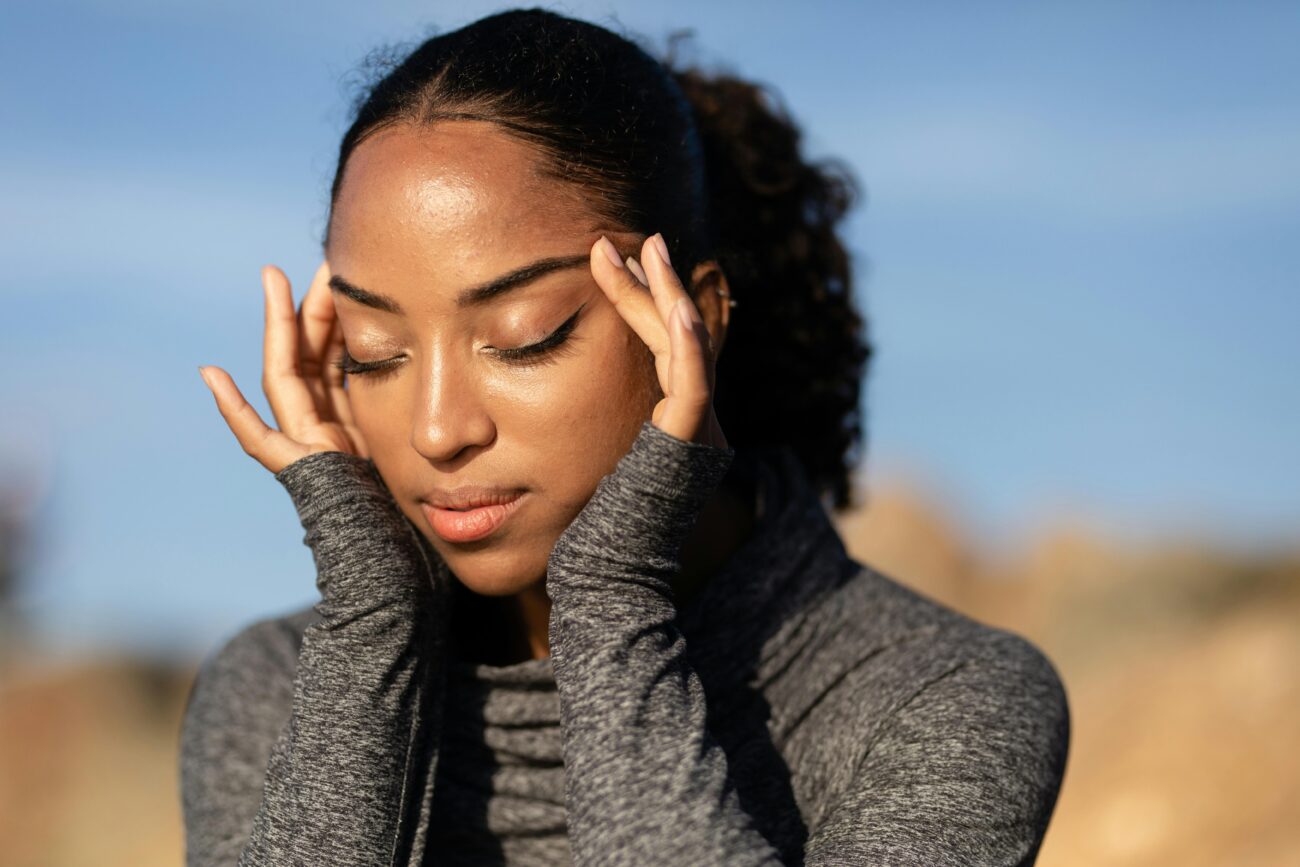
Bipolar disorder is a complex mental health condition that can profoundly affect individuals across various demographics. For women, the symptoms can manifest differently due to social, hormonal, and psychological factors. Recognizing these symptoms early is vital for effective management and support. In this article, we will explore the specific symptoms of bipolar disorder in women, discuss the underlying mechanisms, and highlight the importance of seeking professional help.
Understanding Bipolar Disorder
Bipolar disorder is characterized by extreme mood swings that range from manic highs to depressive lows. These mood changes can significantly impact daily life, relationships, and work. The disorder is divided into several types, primarily Bipolar I, Bipolar II, and Cyclothymic Disorder. Each presents unique challenges and symptoms, but all require careful observation, especially in women, who may experience distinct manifestations of the illness.
Common Symptoms in Women
1. Manic Episodes
Women experiencing a manic episode may exhibit symptoms such as:
- Elevated Mood: An unusually high or irritable mood that lasts for at least a week.
- Increased Energy: A noticeable surge in energy levels, leading to hyperactivity.
- Racing Thoughts: Difficulty concentrating as thoughts jump from one topic to another quickly.
- Impulsive Behavior: Engaging in risky activities, such as excessive spending or uninhibited sexual behavior.
- Decreased Need for Sleep: Feeling rested after only a few hours of sleep.
These symptoms can often be mistaken for the natural highs of life or even stress. However, if they persist and interfere with daily life, it may be time to seek help.
2. Depressive Episodes
Depression in women with bipolar disorder may manifest as:
- Prolonged Sadness: A pervasive feeling of sadness or emptiness lasting more than two weeks.
- Loss of Interest: A significant reduction in interest or pleasure in activities once enjoyed.
- Fatigue: Extreme tiredness or a lack of energy that doesn’t improve with rest.
- Cognitive Issues: Difficulty in focusing, making decisions, or remembering things.
- Changes in Appetite: Noticeable weight loss or gain due to changes in eating habits.
For many women, depressive episodes can be exacerbated by hormonal fluctuations, particularly during the menstrual cycle, pregnancy, or menopause.
Hormonal Influences on Bipolar Symptoms
Research indicates that hormonal changes may exacerbate bipolar symptoms in women. Conditions such as premenstrual dysphoric disorder (PMDD) and postpartum depression can interact with bipolar disorder to create a complex symptomatology. Women should be mindful of these patterns and seek help if they observe severe mood swings that coincide with hormonal changes.
Recognizing the Signs
Identifying bipolar disorder involves keeping track of mood cycles and behavioral changes over time. Women often experience rapid cycling, where mood shifts occur quickly, making it more challenging to diagnose. Recognizing these patterns is crucial:
- Mood Journals: Keeping a daily journal to track mood shifts, energy levels, and significant life events can help identify symptoms associated with both mania and depression.
- Family History: Understanding family history can shed light on genetic predispositions to bipolar disorder, as it often runs in families.
Seeking Help: The Path to Recovery
If you or someone you know is experiencing symptoms indicative of bipolar disorder, seeking help is crucial. Here’s how to navigate the process:
1. Professional Evaluation
A mental health professional can conduct a thorough assessment, often based on clinical interviews and standardized questionnaires. Accurate diagnosis is key to effective treatment.
2. Therapeutic Approaches
Treatment typically includes a combination of medications and psychotherapy. Mood stabilizers and atypical antipsychotics are commonly prescribed, while cognitive-behavioral therapy (CBT) can help address negative thought patterns.
3. Support Systems
Establishing a support network of friends, family, and support groups can provide emotional assistance. It can be beneficial for women to connect with others who share similar experiences.
4. Education and Self-Advocacy
Educating oneself about the disorder helps in understanding symptoms and treatment options, empowering individuals to advocate for their mental health needs.
Conclusion
Bipolar disorder is a serious mental health condition that affects many women. Recognizing the symptoms early and seeking appropriate help can dramatically improve quality of life. If you notice signs of bipolar disorder in yourself or a loved one, don’t hesitate to reach out to a mental health professional. Remember, understanding is the first step towards healing, and together we can break the stigma surrounding mental health challenges. Take action; your well-being is a priority.
