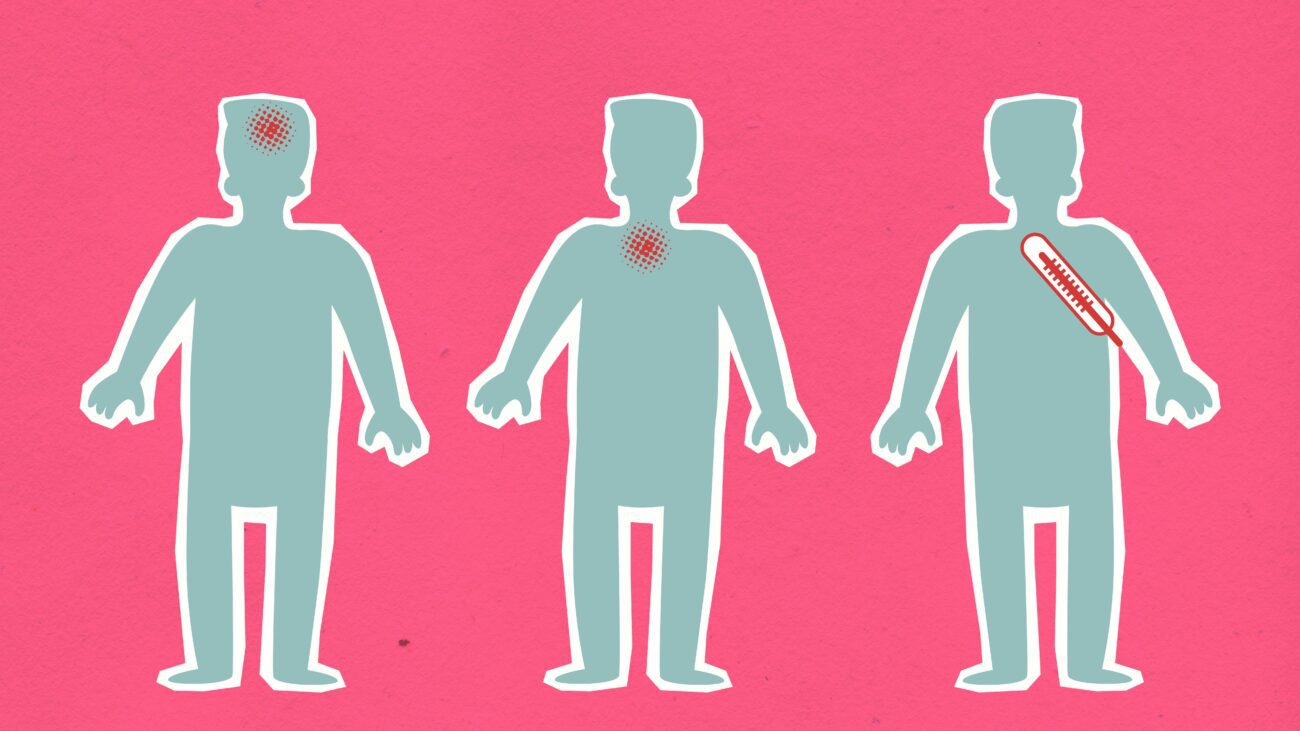
Low testosterone, or hypogonadism, is a condition that can affect men of all ages, although it is particularly common in older adults. Testosterone plays a crucial role in many bodily functions, including muscle and bone health, mood regulation, and sexual function. If you suspect you might be experiencing low testosterone levels, understanding the symptoms and knowing how to address them is essential. This article aims to provide a comprehensive overview of low testosterone symptoms and effective ways to manage the condition.
What is Testosterone?
Testosterone is a hormone primarily produced in the testicles in men and in smaller amounts in the ovaries of women. It is responsible for the development of male sexual characteristics, reproductive functions, and contributes to overall health and well-being. As men age, testosterone levels naturally decline—typically starting after the age of 30—but significant drops can indicate a medical issue.
Common Symptoms of Low Testosterone
Recognizing the signs of low testosterone is vital for timely intervention. Here are some key symptoms to watch for:
1. Reduced Sex Drive
One of the hallmark signs of low testosterone is a decrease in libido. Men may find that their interest in sexual activity diminishes or that they struggle to achieve erections.
2. Fatigue and Decreased Energy Levels
Men with low testosterone often experience chronic fatigue. If you find yourself feeling exhausted and lacking motivation, it could be related to hormonal imbalances.
3. Muscle Loss and Increased Body Fat
Testosterone plays a crucial role in muscle development. Low levels may lead to a noticeable reduction in muscle mass and an increase in body fat, particularly around the abdomen.
4. Mood Changes
Testosterone influences mood and mental health. Men may experience anxiety, depression, irritability, or a general sense of emotional instability when testosterone levels are low.
5. Memory or Concentration Issues
Cognitive functions can be affected by low testosterone. Difficulty focusing or a decline in memory may be linked to hormonal imbalances.
6. Sleep Disturbances
Low testosterone can also contribute to sleep issues, including insomnia or sleep apnea, leading to further fatigue and mood swings.
7. Decreased Bone Density
Testosterone is essential for bone health. Men with low testosterone may find that they are at a greater risk for osteoporosis and fractures.
Who is at Risk?
While low testosterone can occur in any man, certain factors increase the risk:
- Age: As mentioned, testosterone levels naturally decline with age.
- Obesity: Excess fat, particularly around the abdomen, can lead to hormonal imbalances.
- Chronic diseases: Conditions such as diabetes, HIV/AIDS, and certain genetic disorders can contribute to low testosterone.
- Medications: Some medications, including opioids, can affect testosterone production.
How to Address Low Testosterone
1. Consult a Healthcare Provider
If you suspect low testosterone, the first step is to consult a healthcare provider. They can conduct blood tests to measure hormone levels and determine an appropriate diagnosis.
2. Lifestyle Changes
a. Diet:
A balanced diet rich in vitamins and minerals can improve testosterone levels. Include foods high in zinc and vitamin D, such as lean meats, nuts, and leafy greens.
b. Exercise:
Regular physical activity, especially strength training, can help increase testosterone levels. Aim for at least 150 minutes of moderate exercise each week.
c. Sleep:
Prioritizing quality sleep is crucial for hormonal health. Aim for 7-9 hours of uninterrupted sleep each night.
3. Weight Management
Weight loss can significantly improve testosterone levels, especially if you are overweight. A combination of diet and exercise is often the most effective strategy.
4. Medications and Hormone Replacement Therapy (HRT)
In some cases, healthcare providers may recommend testosterone replacement therapy. This can be administered via injections, patches, or gels. It is essential to weigh the benefits and risks of HRT, as it can have side effects.
5. Address Underlying Health Issues
Chronic conditions should be managed to help restore hormonal balance. For example, improved control of diabetes or treatment of sleep apnea can positively influence testosterone levels.
Conclusion
Understanding low testosterone symptoms is essential for identifying potential issues early. If you’re experiencing signs of low testosterone, take proactive steps to consult a healthcare provider. Lifestyle modifications, coupled with medical intervention when necessary, can significantly improve your quality of life. The journey to hormonal balance may require patience and commitment, but the positive impact on your physical and mental well-being can be well worth the effort.
Take charge of your health today—awareness is the first step towards a better tomorrow. If you have further questions or concerns, don’t hesitate to reach out to a healthcare professional for personalized advice.
