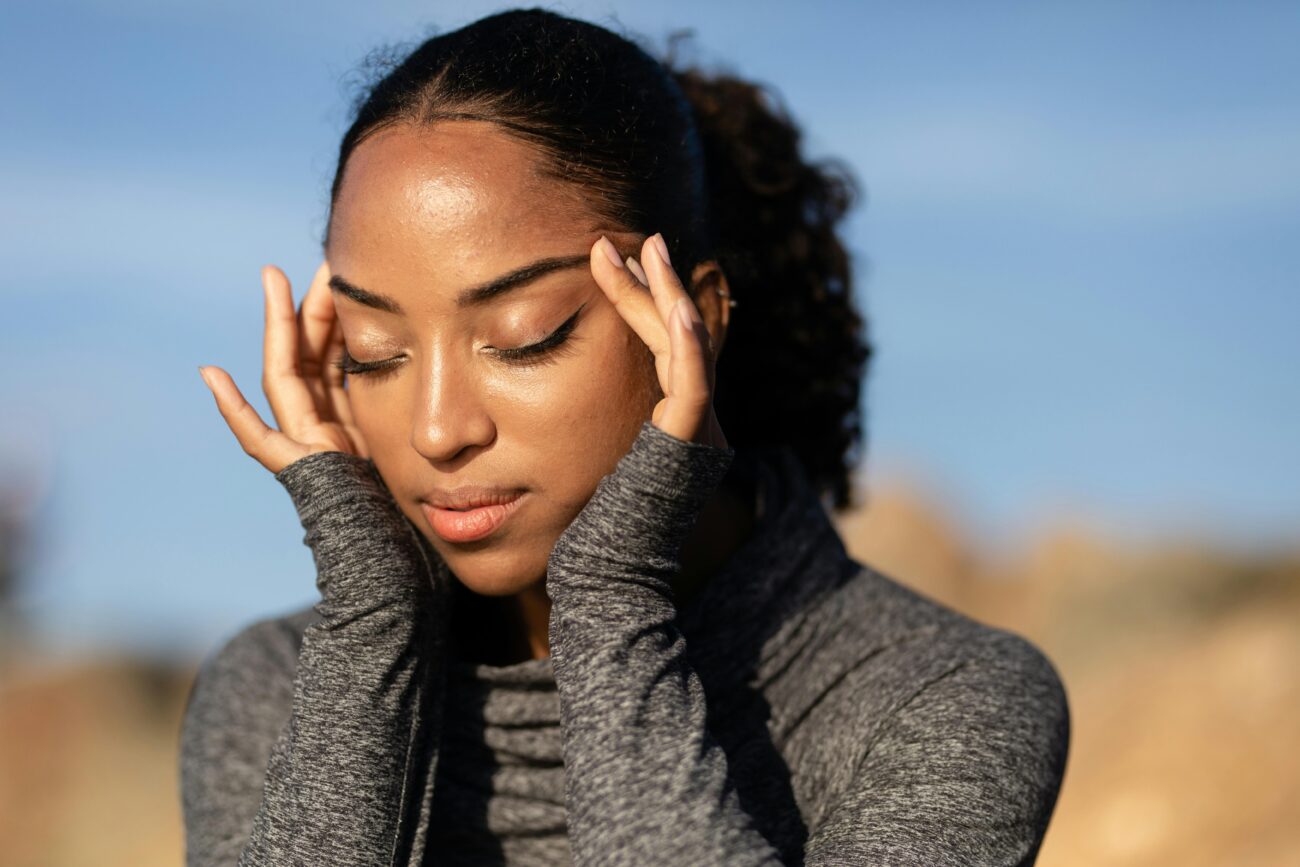
Anxiety is not just a common emotional experience; it is increasingly recognized as a significant health concern that disproportionately affects women. According to the Anxiety and Depression Association of America, women are twice as likely to be diagnosed with anxiety disorders compared to men. Understanding the unique symptoms of anxiety in women can empower them to seek help and implement effective coping strategies. In this article, we will explore the key signs of anxiety in women and provide practical methods for managing these symptoms.
Key Symptoms of Anxiety in Women
Recognizing the symptoms of anxiety is the first step towards effective management. Here are some common signs to look out for:
1. Persistent Worry and Fear
Women often experience a more heightened sense of worry that extends beyond the typical stressors of life. This constant worrying can be about health, relationships, or work, and may feel overwhelming.
2. Physical Symptoms
Anxiety doesn’t just manifest emotionally; it also affects the body. Common physical symptoms include:
- Fatigue: Persistent tiredness even after rest.
- Muscle Tension: Chronic tension in the shoulders or neck.
- Sleep Disturbances: Difficulty falling or staying asleep, or oversleeping.
3. Panic Attacks
A panic attack is a sudden episode of intense fear or discomfort and can include symptoms such as heart palpitations, sweating, trembling, and a feeling of impending doom. Women may report experiencing panic attacks more frequently due to hormonal fluctuations or psychosocial stressors.
4. Social Withdrawal
Women with anxiety may find themselves avoiding social situations they once enjoyed. This withdrawal can stem from the fear of being judged or criticized, resulting in feelings of isolation and loneliness.
5. Perfectionism
Many women experience anxiety through perfectionism, feeling compelled to meet unrealistic standards in various aspects of life, whether it be at work, in parenting, or in personal relationships. This can lead to chronic dissatisfaction and stress.
6. Irritability and Mood Swings
Increased irritability can be a significant symptom. Women may find themselves feeling more easily frustrated and moody, affecting their relationships with loved ones.
7. Cognitive Impairments
Anxiety can cloud your thinking, making it hard to focus or make decisions. Women might describe a sense of mental fog or difficulty concentrating, potentially impacting their professional and personal lives.
Effective Coping Strategies
If you or someone you know is experiencing anxiety, there are several effective coping strategies to consider:
1. Mindfulness and Meditation
Practicing mindfulness can significantly reduce anxiety. Techniques such as deep breathing exercises, progressive muscle relaxation, and guided meditation help ground emotions and create a sense of calm.
2. Regular Physical Activity
Engaging in regular exercise has profound benefits for mental health. Activities like yoga, walking, or dancing can boost endorphins and improve mood while reducing stress levels.
3. Seeking Professional Help
Therapy can provide a safe space to explore anxiety triggers. Cognitive Behavioral Therapy (CBT) is particularly effective for anxiety disorders, helping individuals reshape negative thought patterns.
4. Building a Support Network
Having a strong support system is vital. Whether it’s friends, family, or support groups, surrounding yourself with understanding individuals can help alleviate feelings of isolation.
5. Establishing a Routine
Creating a daily routine helps instill structure and predictability, reducing overall anxiety. Incorporate self-care activities into your schedule, allowing time for relaxation and hobbies.
6. Limiting Stimulants
Reducing caffeine and other stimulants can have a positive impact on anxiety levels. Instead, opt for herbal teas or caffeine-free options to help keep your nerves in check.
7. Sleep Hygiene
Prioritizing good sleep hygiene can help mitigate anxiety symptoms. Ensure to create a restful environment and establish a calming pre-sleep routine to improve the quality of your sleep.
Conclusion
Understanding women’s anxiety symptoms is essential for recognizing the condition in oneself or loved ones. By embracing coping strategies and seeking professional help when necessary, women can effectively manage their anxiety and enhance their quality of life. Remember, anxiety is a common experience, and reaching out for support is the first step towards healing. By fostering resilience and practicing self-care, women can reclaim their peace of mind and thrive.
