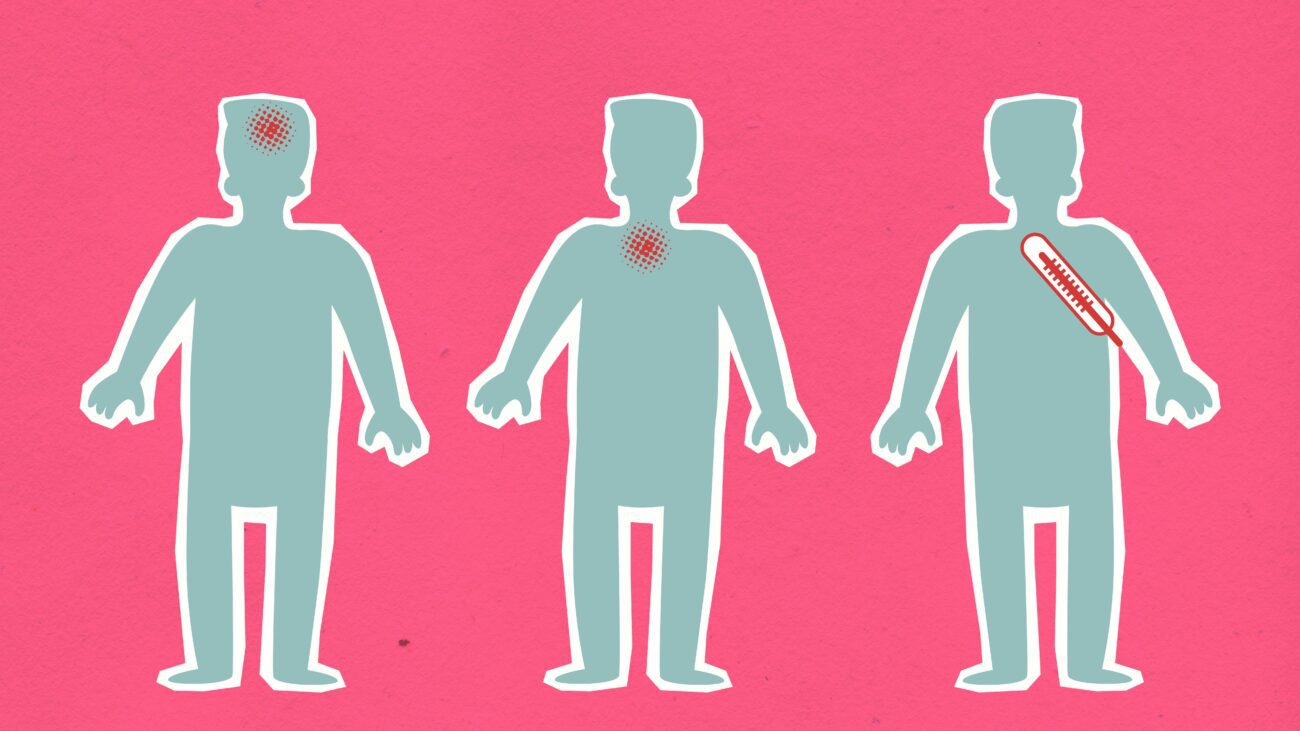
A stroke is a medical emergency that can have devastating effects on a person’s health and well-being. Understanding the symptoms of a stroke, particularly on the left side, is crucial for early intervention and treatment. In this article, we’ll delve into the signs of a left-side stroke, why they occur, and what actions you should take if you or someone else exhibits these symptoms.
What is a Stroke?
Before we dive into left-side stroke symptoms, it’s important to understand what a stroke is. A stroke occurs when blood flow to a part of the brain is interrupted or reduced. This can happen either due to a blockage (ischemic stroke) or a rupture of a blood vessel (hemorrhagic stroke). The critical factor in minimizing brain damage is time; recognizing the symptoms and seeking immediate help can be lifesaving.
The Brain and Its Hemispheres
The brain is divided into two hemispheres: the left and the right. Each hemisphere controls the opposite side of the body. Hence, a left-side stroke typically affects functions and sensations on the right side of the body. Understanding this relationship is vital in recognizing what to look for.
Key Left-Side Stroke Symptoms
Recognizing left-side stroke symptoms is vital for prompt treatment. Here are some key signs you shouldn’t ignore:
-
Sudden Numbness or Weakness
- Look for sudden numbness or weakness, particularly on the right side of the body. This may manifest as inability to lift an arm, weakness in the leg, or feeling a sudden drop in control of facial muscles on one side.
-
Difficulty Speaking or Understanding
- Individuals may find it hard to speak clearly or may not understand spoken language. Slurred speech or abrupt changes in communication abilities can indicate a left side stroke.
-
Visual Disturbances
- Sudden trouble seeing in one or both eyes can occur. This may involve blurred vision, double vision, or loss of vision. An impact on vision is a critical symptom that should prompt immediate medical attention.
-
Severe Headache
- Although less common, a sudden and severe headache with no known cause could suggest a hemorrhagic stroke. If this headache is accompanied by other symptoms, seek emergency care right away.
-
Confusion or Trouble with Coordination
- Sudden disorientation, confusion, or difficulty walking can be red flags. Patients may also exhibit coordination problems, making them unsteady on their feet or unable to balance.
-
Facial Drooping
- A noticeable droop on one side of the face is a classic warning sign. You can easily check for this by asking the person to smile. If one side appears uneven, it’s crucial to get help immediately.
Emergency Response: Time is Brain
If you or someone else experiences one or more of these symptoms, remember the acronym FAST:
- Face: Ask the person to smile. Does one side droop?
- Arms: Ask the person to raise both arms. Does one arm drift downward
