Hypertension, commonly known as high blood pressure, is often dubbed the “silent killer.” This term reflects its stealthy and insidious nature, as many men remain unaware of their condition until serious complications arise. Understanding the symptoms and risks associated with hypertension is crucial for early detection and effective management. In this article, we will delve into the key symptoms of hypertension that men should not ignore, as well as the importance of regular check-ups and lifestyle adjustments.
What is Hypertension?
Hypertension is characterized by elevated blood pressure levels, typically defined as a reading of 130 over 80 millimeters of mercury (mmHg) or higher. This condition can lead to serious cardiovascular issues if left unchecked, including heart disease, stroke, and kidney damage. For men, age, weight, and lifestyle choices play significant roles in hypertension risk. Understanding these factors is the first step in prevention and management.
Why Men are at Higher Risk
Men are generally at a higher risk for developing hypertension compared to women, particularly before the age of 55. Factors contributing to this increased risk include:
- Hormonal Differences: Men tend to have higher testosterone levels, which can impact blood pressure.
- Lifestyle Choices: Poor diet, sedentary lifestyle, and higher rates of alcohol consumption contribute to increased blood pressure.
- Genetics: Family history plays a significant role, as hypertension can run in families.
Key Symptoms of Hypertension in Men
Identifying hypertension can be challenging due to its asymptomatic nature in the early stages. However, there are several signs that men should watch for:
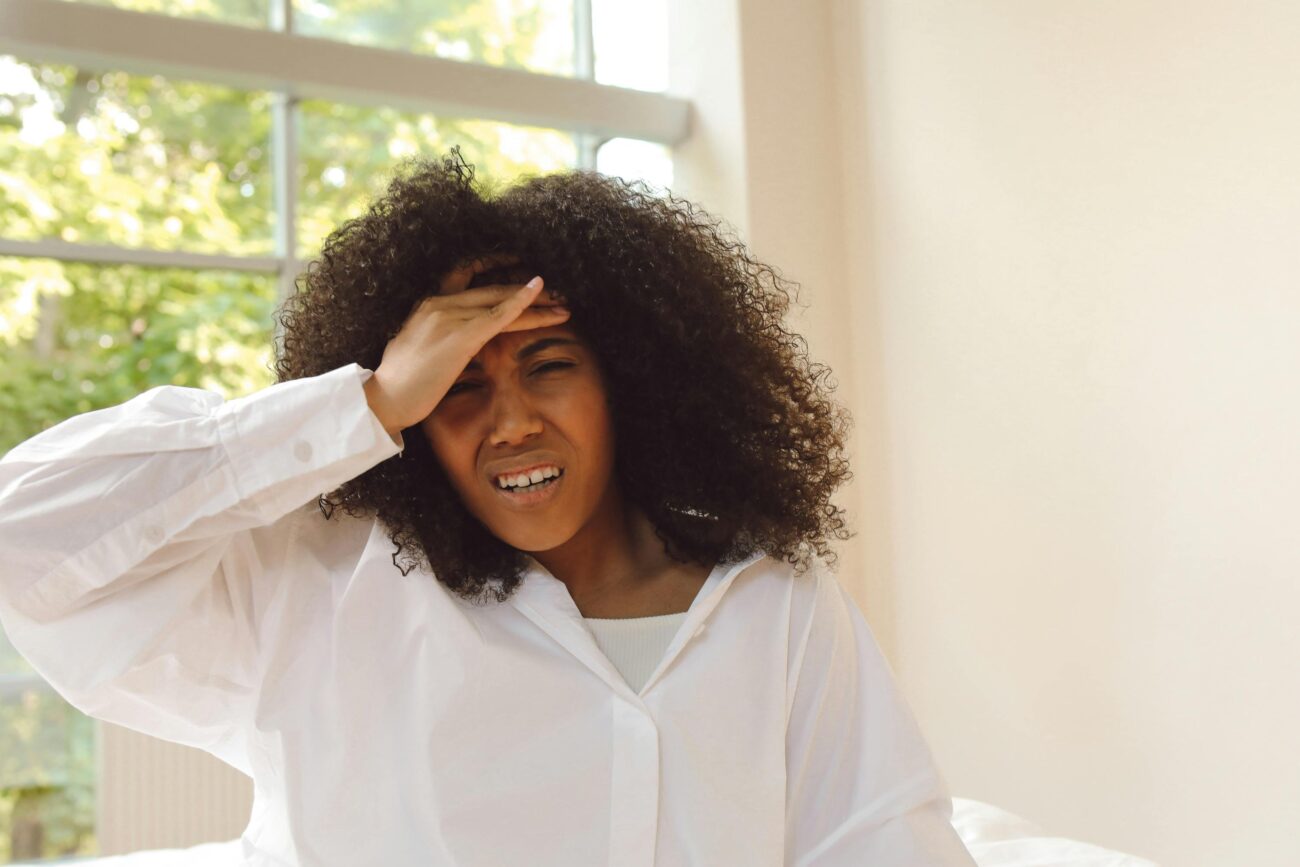
1. Headaches
While occasional headaches are common and often harmless, severe headaches that occur frequently can be a sign of high blood pressure. It’s essential to seek medical attention, especially if headaches are sudden and persistent.
2. Dizziness or Lightheadedness
Feeling dizzy or lightheaded—particularly when standing up suddenly—can be a symptom of hypertension. This occurs when blood flow to the brain is insufficient and serves as a warning sign to seek evaluation.
3. Blurred Vision
High blood pressure can cause damage to blood vessels in the eyes, leading to blurred or impaired vision. If you experience unexpected changes in your vision, consult a healthcare professional immediately.
4. Chest Pain
Chest pain or discomfort should never be ignored; it may signal an underlying cardiovascular condition, including hypertension. If you experience chest pain, especially alongside other symptoms like shortness of breath or nausea, seek emergency assistance.
5. Shortness of Breath
Hypertension can strain the heart, making it difficult to pump blood effectively. This strain can result in shortness of breath during physical activity or even at rest. If this symptom arises suddenly, it warrants immediate medical attention.
6. Nosebleeds
Though nosebleeds can occur for various reasons, frequent or uncontrollable nosebleeds can suggest elevated blood pressure levels, particularly when coupled with other symptoms.
7. Fatigue
Chronic fatigue or a general feeling of malaise may be linked to high blood pressure. This symptom may stem from inadequate blood flow to muscles and vital organs.
The Importance of Regular Check-Ups
The best way to recognize hypertension is through regular blood pressure screenings. Men, particularly those over the age of 40 or with risk factors, should have their blood pressure checked at least once a year. If you have risk factors like obesity, diabetes, or a family history of heart disease, more frequent monitoring may be beneficial.
Lifestyle Changes for Management and Prevention
If diagnosed with hypertension, it’s important to take proactive steps to manage your condition:
- Dietary Adjustments: Adopt a heart-healthy diet. Focus on fruits, vegetables, whole grains, and lean proteins while reducing salt and saturated fat intake.
- Regular Exercise: Aim for at least 150 minutes of moderate-intensity aerobic activity per week. Exercise not only helps lower blood pressure but also improves overall cardiovascular health.
- Weight Management: Maintaining a healthy weight can significantly reduce the risk of hypertension. Consult a healthcare provider for personalized weight management strategies.
- Limit Alcohol and Tobacco: Reducing alcohol intake and avoiding tobacco products are vital in hypertension management.
Conclusion
Recognizing the symptoms of hypertension is essential for early intervention and continued health. Men should be vigilant and proactive, understanding that symptoms can arise unexpectedly. Regular check-ups, a healthy lifestyle, and awareness of personal risk factors can help combat this silent yet dangerous condition. If you experience any of the symptoms discussed, don’t hesitate to consult your healthcare provider for guidance and resources tailored to your needs. Taking control of your health today can lead to a healthier tomorrow.
