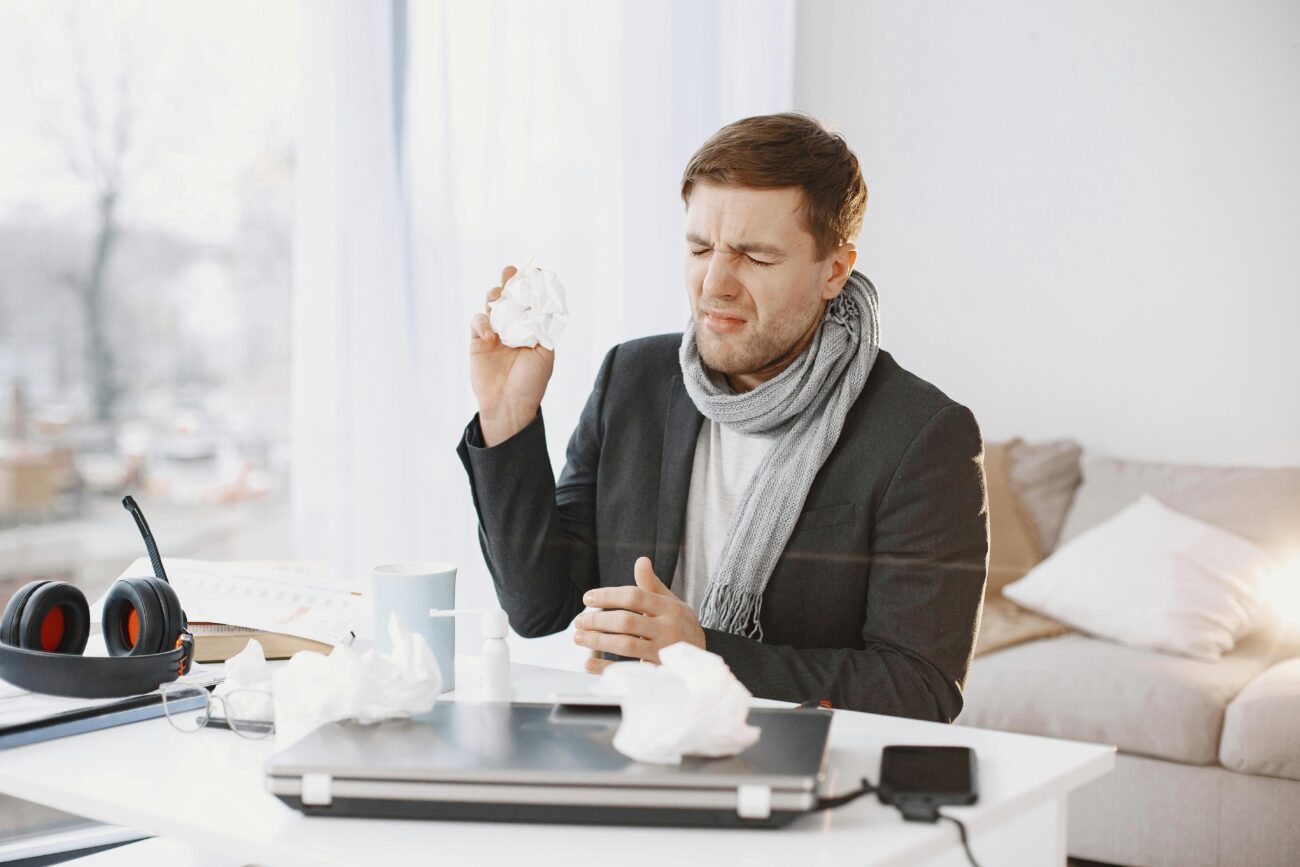
The COVID-19 pandemic has transformed our world in unprecedented ways, not only by causing immediate illness but also by leaving lasting effects on many who have recovered from the virus. Among these effects, Persistent Long COVID symptoms have emerged as a significant health concern, affecting countless individuals even months post-recovery. In this article, we will delve deep into what Persistent Long COVID symptoms are, their potential causes, and practical management strategies to help those affected regain their quality of life.
What is Long COVID?
Long COVID, also known as post-acute sequelae of SARS-CoV-2 infection (PASC), refers to a range of symptoms that persist beyond the typical recovery period from acute COVID-19. While most individuals recover within a few weeks, many report lingering effects that can last for months or even longer. These symptoms are diverse and can impact various body systems, leading to a mosaic of challenges for those affected.
Common Persistent Symptoms
-
Fatigue: One of the most prevalent symptoms, fatigue can significantly impair daily functioning and quality of life. It may feel overwhelming, leaving individuals exhausted even after minimal exertion.
-
Cognitive Dysfunction: Often referred to as “brain fog,” this symptom can include difficulty concentrating, memory issues, and mental fatigue. Many experience trouble with multitasking or recalling information.
-
Breathing Difficulties: Some individuals report persistent shortness of breath or difficulty breathing, which may vary in intensity and can be exacerbated by physical activity.
-
Chest Pain: Some report ongoing chest discomfort or pain, which may confuse patients or lead to anxiety about heart health.
-
Joint and Muscle Pain: Lingering aches, stiffness, and pain in muscles and joints can be common, leading to reduced mobility and discomfort during daily activities.
-
Sleep Disturbances: Insomnia or disrupted sleep patterns can be prevalent among those with Long COVID, exacerbating fatigue and cognitive issues.
-
Psychological Symptoms: Anxiety, depression, and mood swings are frequently reported, often linked to the stress and uncertainty following a COVID-19 diagnosis.
Understanding the Causes
The exact mechanisms behind Persistent Long COVID symptoms are still under investigation. However, several theories have gained traction:
-
Immune Response: Some researchers suggest that an overactive immune response might cause inflammation and damage at a cellular level, leading to prolonged symptoms.
-
Viral Reservoirs: There is speculation that remnants of the virus, or its spike proteins, may linger in the body, triggering ongoing symptoms.
-
Autonomic Nervous System Dysregulation: Some studies suggest that Long COVID may involve dysfunction of the autonomic nervous system, affecting heart rate, blood pressure, and other involuntary functions.
-
Pre-existing Conditions: Individuals with prior health issues may experience exacerbation of these conditions post-COVID, complicating recovery.
Understanding these potential causes helps inform better treatment strategies and validates the experiences of those dealing with Long COVID.
Managing Persistent Long COVID Symptoms
While dealing with Persistent Long COVID symptoms can feel overwhelming, effective management strategies exist. Here are some practical steps to consider:
1. Comprehensive Medical Evaluation
Seek a thorough assessment from healthcare providers familiar with Long COVID. They can evaluate symptoms, perform necessary tests, and create a tailored management plan.
2. Treatment Options
-
Medications: Depending on symptoms, medications for pain relief, depression, or anxiety, and even pulmonary rehabilitation may be prescribed.
-
Physical Therapy: Engaging in graduated exercise programs can help rebuild strength and endurance while preventing overexertion.
3. Cognitive Rehabilitation
Cognitive-behavioral therapy (CBT) and specialized cognitive rehabilitation can assist in managing brain fog and enhancing mental clarity.
4. Lifestyle Modifications
-
Balanced Nutrition: Eating a nutrient-rich diet supports recovery. Focus on whole foods, antioxidants, and omega-3 fatty acids to fight inflammation.
-
Sleep Hygiene: Establish consistent sleep routines and create a restful environment to improve sleep quality.
-
Hydration: Adequate hydration is crucial for overall health and can alleviate certain symptoms.
5. Mindfulness and Stress Management
Incorporate practices such as meditation, yoga, or breathing exercises. These techniques can help reduce anxiety and improve overall emotional well-being.
6. Peer Support
Joining support groups (in-person or online) can provide a sense of community, allowing individuals to share experiences, strategies, and encouragement.
Conclusion
Persistent Long COVID symptoms can drastically affect one’s quality of life. While more research is ongoing, understanding these symptoms and adopting effective management strategies can empower those affected. If you or someone you know is experiencing lingering effects after COVID-19, don’t hesitate to seek help. Together, through a combination of medical care, lifestyle changes, and community support, recovery and healing are possible.
Remember
You are not alone in this journey. Knowledge, compassion, and a proactive approach can pave the way toward regaining your health and vitality.
