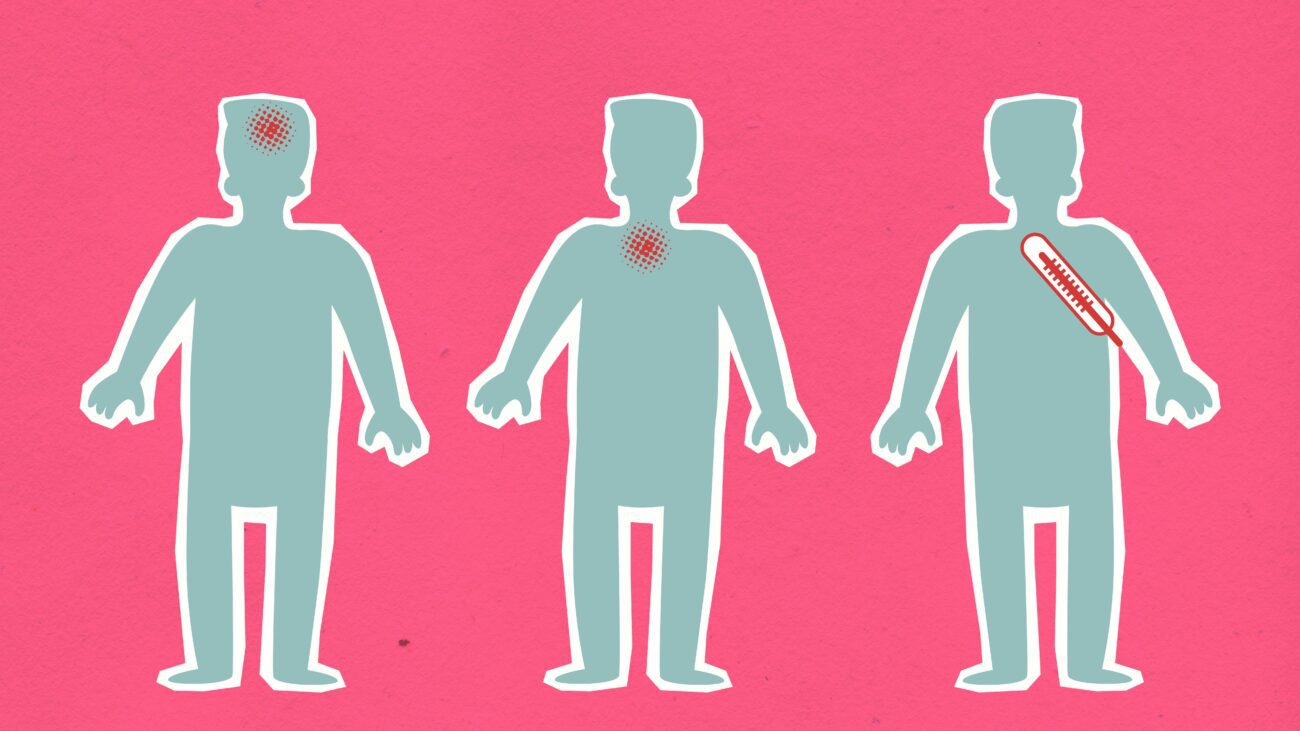
Upper respiratory infections (URIs), commonly known as the common cold, are among the most frequent health issues affecting individuals of all ages. While these infections are generally mild and self-limiting, recognizing their symptoms and understanding how to manage them can significantly enhance your comfort and aid in a quicker recovery. In this guide, we’ll dive deep into the top symptoms of upper respiratory infections, helping you to identify them correctly and treat them effectively.
What is an Upper Respiratory Infection?
An upper respiratory infection primarily affects the nose, sinuses, and throat. These infections are usually caused by viruses, such as rhinoviruses and coronaviruses, and are easily transmitted through respiratory droplets or direct contact with infected surfaces. While URIs can occur year-round, they are particularly prevalent during the colder months.
Common Symptoms of Upper Respiratory Infection
Understanding the symptoms of a URI is crucial for timely identification and treatment. Here are the top symptoms associated with upper respiratory infections:
1. Nasal Congestion
Nasal congestion is one of the hallmark symptoms of a URI. Inflammation of the nasal passages leads to the feeling of stuffiness, making it difficult to breathe through the nose. This can also be accompanied by a runny nose that may start as clear and become thicker and yellowish or greenish as the infection progresses.
2. Sore Throat
A sore throat often accompanies nasal congestion, resulting from inflammation and irritation. This discomfort can make swallowing painful, contributing to overall malaise. Often, the soreness may worsen during the night or early morning.
3. Cough
A persistent cough frequently develops as the body tries to clear mucus from the throat and airways. It may begin as a dry cough, but can progress to a productive cough as mucus builds up. This symptom can significantly disrupt sleep and daily activities.
4. Sneezing
Sneezing is a reflex action triggered by irritation in the nasal passages. It is a common symptom during the initial stages of a URI and serves as a means for the body to expel pathogens and irritants.
5. Headache
Headaches often occur due to sinus pressure and congestion. The inflammation in your sinuses can create a feeling of pressure or fullness, resulting in discomfort.
6. Fatigue and General Malaise
Feeling tired or experiencing a general sense of unwellness is common during a URI. Your body is working hard to fight off the infection, which can lead to increased fatigue.
7. Mild Fever
While not always present, a mild fever can occur, especially in children. This elevation in body temperature is part of the body’s natural response to infection.
How to Treat Upper Respiratory Infections
While most upper respiratory infections resolve on their own within a week to ten days, effective management can alleviate symptoms. Here are some treatment options:
1. Stay Hydrated
Drinking plenty of fluids is essential. Water, herbal teas, and clear broths can help thin the mucus and soothe the throat.
2. Rest
Give your body a chance to heal by getting adequate rest. Limiting physical exertion can help your immune system focus on fighting the infection.
3. Over-the-Counter Medications
- Decongestants can help relieve nasal congestion.
- Antihistamines may be beneficial if allergies are contributing to symptoms.
- Pain relievers like ibuprofen or acetaminophen can reduce fever and alleviate aches.
4. Humidifiers
Adding moisture to the air can ease nasal congestion and soothe a sore throat, making breathing more comfortable.
5. Saline Nasal Sprays
Saline sprays can help moisturize the nasal passages and clear mucus.
6. Throat Lozenges and Warm Beverages
These can provide temporary relief for a sore throat, making swallowing easier.
When to Seek Medical Attention
While URIs are usually mild, it’s essential to know when a doctor’s visit is necessary. Seek medical help if you experience:
- Symptoms lasting longer than 10 days
- Difficulty breathing
- High fever exceeding 101.5°F (38.6°C)
- Severe headache or facial pain
- Symptoms that worsen instead of improving
Final Thoughts
Upper respiratory infections are common but manageable ailments that affect millions every year. By familiarizing yourself with the symptoms and treatment options, you can take proactive steps towards recovery and comfort. Remember, while self-care is often sufficient, be vigilant about your symptoms and seek medical attention when necessary. Your health and well-being come first, and understanding these infections is a significant part of taking charge of your health.
