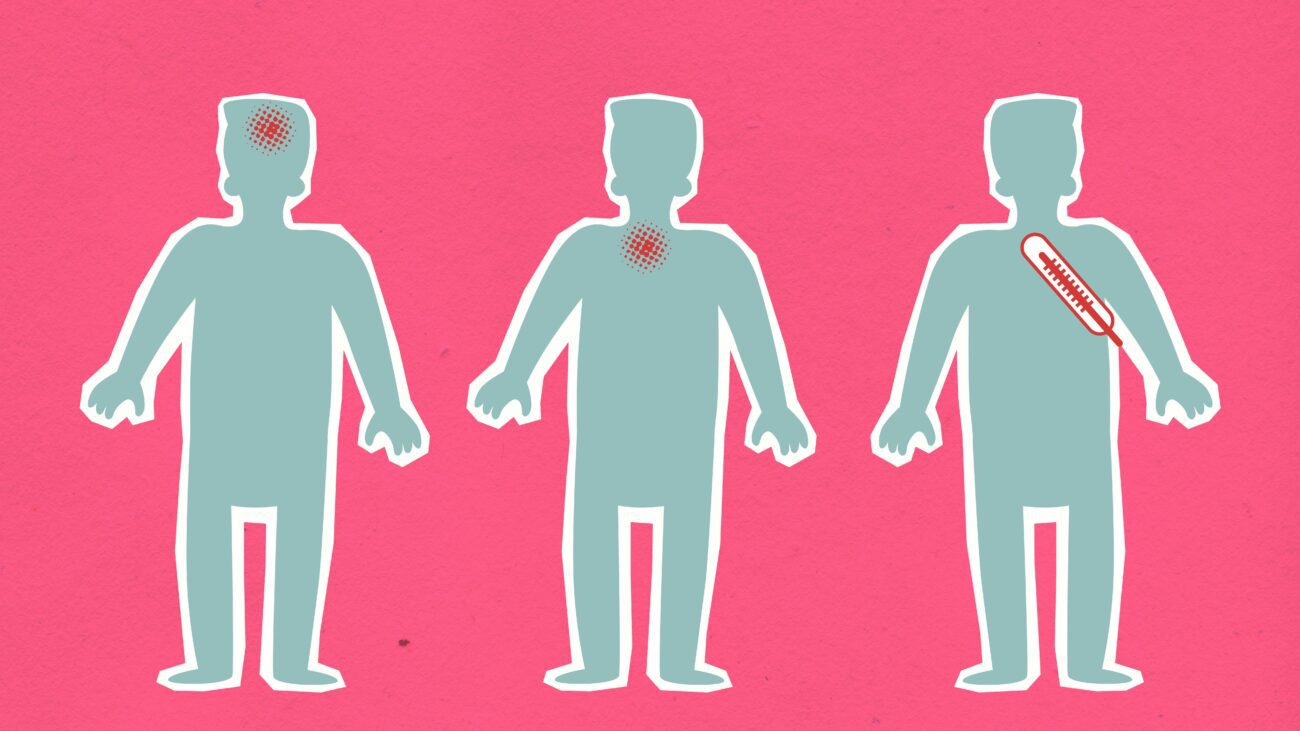
Rhabdomyosarcoma (RMS) is a rare and aggressive type of cancer that primarily affects the soft tissues, particularly the muscles. Although it can occur at any age, it is most frequently diagnosed in children and adolescents. Understanding the key symptoms of rhabdomyosarcoma is essential for early detection and effective treatment. In this article, we will delve into the nature of this cancer, its symptoms, and the importance of timely medical intervention.
What is Rhabdomyosarcoma?
Rhabdomyosarcoma is a malignant neoplasm that arises from mesenchymal cells, which are the precursors to muscle tissue. This tumor can develop in various parts of the body, including:
- Head and Neck: Often presents in the orbit (eye area), nasal cavity, or ear.
- Genitourinary Tract: Frequently found in the bladder or reproductive organs.
- Extremities: Can develop in the arms or legs.
- Trunk: May arise in the chest or abdominal wall.
There are several subtypes of rhabdomyosarcoma, with embryonal and alveolar being the most common. The specific subtype can influence the symptoms, prognosis, and treatment methodologies.
Key Symptoms of Rhabdomyosarcoma
Recognizing the symptoms of rhabdomyosarcoma early can significantly improve outcomes. Here are some of the most common indicators:
1. Lumps or Swellings
One of the most noticeable symptoms is the presence of a lump or swelling in the affected area. This mass may feel firm or soft to the touch and can vary in size. It is essential to pay attention to lumps that grow over time, especially in children.
2. Pain or Discomfort
As the tumor grows, it can put pressure on surrounding tissues or organs, leading to localized pain or discomfort. The pain can be dull or sharp and may increase when pressure is applied. In some cases, the affected area may become tender.
3. Changes in Functionality
Depending on the tumor’s location, symptoms may also include changes in functionality. For example:
- In head and neck RMS, children may experience difficulty in breathing or swallowing.
- In genitourinary cases, symptoms might include frequent urination or blood in the urine.
- Extremity RMS can hinder movement, causing limping or reduced mobility.
4. Unexplained Weight Loss
Significant and unexplained weight loss in a child can be a sign of various health issues, including cancers like rhabdomyosarcoma. If coupled with other symptoms, this warrants immediate medical evaluation.
5. Fatigue and Weakness
Persistent fatigue or a sense of overall weakness can be alarming signs. Children may appear more lethargic than usual, lacking energy for activities they once enjoyed.
6. Fever or Night Sweats
Low-grade fevers or night sweats that are unexplained may also accompany rhabdomyosarcoma. Though these symptoms are often associated with infections, their persistence alongside other symptoms can indicate a more serious issue.
Importance of Early Detection
The prognosis for rhabdomyosarcoma improves significantly with early detection and intervention. Pediatric oncologists typically conduct a series of diagnostic tests, including imaging scans (CT, MRI), biopsies, and blood tests to confirm the diagnosis. Treatment often involves a combination of surgery, chemotherapy, and radiation therapy, depending on the stage and location of the tumor.
Take Action
If you notice any of the above symptoms, it is crucial to consult a healthcare professional promptly. Early diagnosis can make a significant difference in treatment outcomes and overall survival rates.
Conclusion
Understanding rhabdomyosarcoma and its symptoms is vital for parents and guardians. By being aware of the signs and seeking prompt medical attention, affected individuals can increase their chances of a favorable prognosis. Awareness and vigilance in recognizing these symptoms play a crucial role in managing this challenging diagnosis.
For further information, support groups, and resources, consider reaching out to oncologists specializing in pediatric cancers or organizations dedicated to childhood cancers. Your proactive approach can save lives.
