By Felipe — Automotive equipment researcher and DIY vehicle maintenance specialist
Introduction
For many drivers, deciding how to choose an all season vs winter tire becomes confusing the moment temperatures drop or road conditions change. Tire manufacturers use similar marketing language, yet the performance differences between these tire types can be significant—especially in cold climates or mountainous regions.
This guide is different from typical comparison articles because it focuses on real-world decision-making, not just product specifications. You’ll learn how temperature, driving habits, and road conditions affect tire performance, and when switching tires actually improves safety and vehicle control. The goal is not to push one option, but to help you make a confident, evidence-based choice.
Whether you commute daily, travel with family, or occasionally drive in snow, understanding the strengths and limitations of each tire type can reduce risk, improve traction, and extend the life of your vehicle. By the end, you’ll know exactly which tire setup makes sense for your situation—and why.
What Is the Real Difference Between All Season and Winter Tires?
The difference is not just about snow. It comes down to rubber chemistry, tread design, and temperature performance.
All Season Tires: Built for Versatility
All season tires are designed to perform reasonably well in:
- Dry roads
- Wet pavement
- Light snow
- Moderate temperatures
They use a rubber compound that balances durability and flexibility. This makes them practical for regions with mild winters.
However, their performance declines as temperatures fall.
Key limitation:
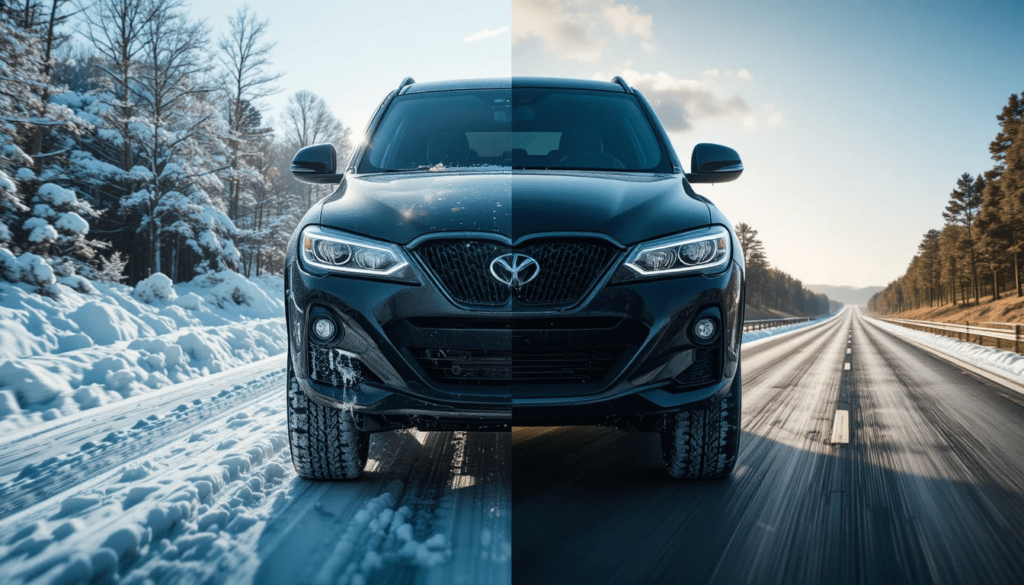
Most all season tires begin to lose flexibility below 7°C (44°F). When rubber hardens, traction decreases—even if the road looks clear.
Winter Tires: Designed Specifically for Cold Conditions ❄️
Winter tires are engineered for:
- Snow
- Ice
- Slush
- Cold pavement
They use a softer rubber compound that stays flexible in freezing temperatures. Their tread patterns also include:
- Deeper grooves
- More biting edges
- Specialized siping (tiny slits in the tread)
These features improve grip and braking.
Important note:
Winter tires are not only for snow. They perform better than all season tires in cold, dry conditions as well.
Temperature Matters More Than Snow
Many drivers wait until snow appears before considering winter tires. That approach can be risky.
The real threshold is temperature.
The 7°C Rule
Safety organizations and tire manufacturers commonly recommend switching to winter tires when average daily temperatures fall below:
7°C (44°F)
At this point:
- All season tires stiffen
- Braking distances increase
- Cornering stability decreases
According to data from Transport Canada:
- Winter tires can reduce stopping distance on snow and ice by up to 30–40% compared to all season tires
- [VERIFY: exact percentage range and testing conditions]
Even small improvements in braking distance can prevent collisions.
How to Choose an All Season vs Winter Tire Based on Your Driving Conditions
This is where most decisions should be made—not based on brand or price, but on environment and usage.
Choose All Season Tires If:
You live in an area where:
- Winter temperatures rarely drop below freezing
- Snowfall is occasional and light
- Roads are cleared quickly
- You drive mostly in urban conditions
Typical examples:
- Mild coastal climates
- Regions with short winters
- Drivers who travel short distances
In these cases, the convenience of one tire year-round often outweighs the performance benefits of winter tires.
Choose Winter Tires If:
You regularly encounter:
- Temperatures below 7°C
- Snow-covered roads
- Ice or slush
- Mountain or rural driving
Or if you:
- Commute early in the morning
- Drive long distances in winter
- Transport family members frequently
- Tow or carry heavy loads
Winter tires provide a measurable safety advantage in these scenarios.
Real-World Performance: Braking and Control
This is where the difference becomes obvious.
Braking Distance Comparison 🚗
Testing by the American Automobile Association (AAA) found that:
- Vehicles using winter tires stopped significantly faster on snow and ice
- All season tires required longer stopping distances
- [VERIFY: specific braking distance difference at 0°F or −18°C]
In practical terms:
Even a one-car-length difference can determine whether a crash occurs.
Traction and Cornering Stability
Winter tires provide:
- Better acceleration on snow
- More predictable steering
- Reduced sliding in turns
All season tires can still perform adequately, but they reach their limits faster in cold conditions.
Cost Considerations: Are Winter Tires Worth the Money?
Many drivers hesitate because winter tires require:
- An extra set of tires
- Seasonal installation
- Storage space
But the long-term economics are often misunderstood.
Why the Cost Is Not as High as It Seems
When you use two sets of tires:
- Each set wears more slowly
- Tire lifespan increases
- Maintenance costs spread over time
In many cases, total tire expenses over several years are similar.
The difference is mainly:
- Upfront cost
- Storage logistics
Safety Statistics That Influence the Decision ⚠️
Reliable data helps remove guesswork.
Studies have found:
- Winter tires can improve traction on snow by up to 50%
- [VERIFY: source and testing methodology]
- Vehicles using winter tires are less likely to be involved in winter collisions
- [VERIFY: percentage reduction in accidents]
Insurance companies in some regions even offer discounts for winter tire use.
This reflects a widely accepted safety benefit.
In My Experience: What Drivers Notice After Switching
After reviewing dozens of tire installations and winter driving cases, one pattern consistently stands out.
In my experience, drivers rarely regret switching to winter tires once they feel the difference.
The most common feedback includes:
- “The car feels more stable”
- “Braking is smoother”
- “I feel more confident driving in snow”
Interestingly, many drivers notice improvements even on cold, dry roads—not just during snowstorms.
I’ve also found that drivers who commute early in the morning benefit the most, because roads are colder and often less cleared.
Do You Need Winter Tires for Occasional Snow?
Not always.
The answer depends on:
- Frequency of winter driving
- Road maintenance quality
- Personal risk tolerance
Occasional Snow Scenario
All season tires are usually sufficient if:
- Snow occurs only a few times per year
- You can avoid driving during storms
- Roads are cleared quickly
Frequent Winter Driving Scenario
Winter tires become strongly recommended if:
- Snow or ice is common
- Temperatures remain below freezing
- Driving is unavoidable
In these situations, winter tires provide a meaningful safety margin.
How Tire Type Affects Other Winter Equipment
Choosing the right tire is only one part of winter preparation.
Drivers who frequently travel in harsh weather often combine winter tires with:
- Roof cargo systems
- Emergency kits
- Snow chains
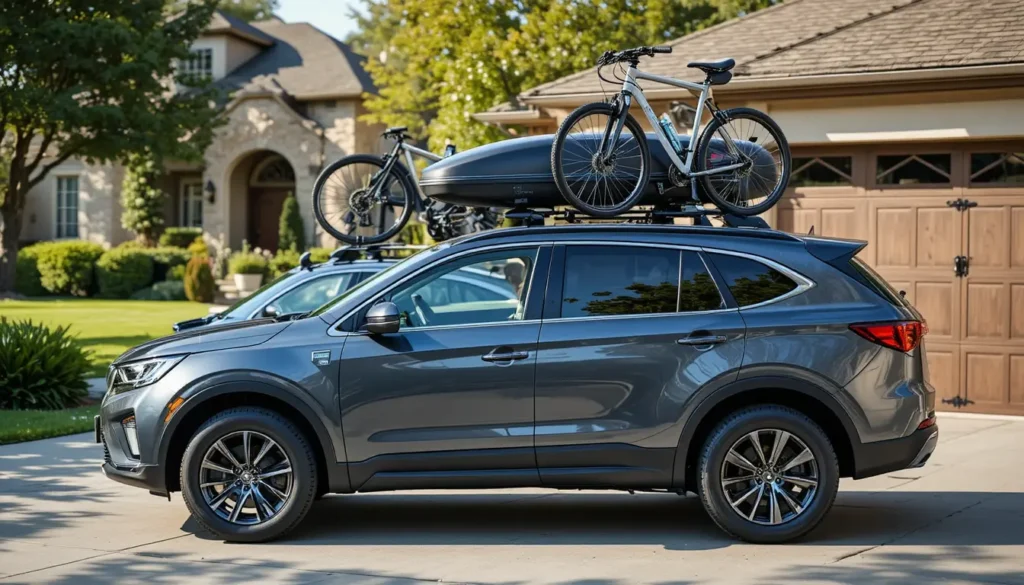
For example, if you transport gear during winter trips, selecting reliable mounting systems is just as important as tire performance. A practical reference is this guide to best roof racks for suvs without side rails, which explains how to safely carry equipment in challenging conditions.
The key principle:
Vehicle safety depends on the entire setup, not just one component.
Climate-Based Decision Guide
Use this simplified framework.
Mild Winter Climate
Typical conditions:
- Temperatures above freezing most of the time
- Rare snowfall
Recommended tire:
All season
Moderate Winter Climate
Typical conditions:
- Regular freezing temperatures
- Occasional snow
Recommended tire:
Winter tires strongly recommended
Severe Winter Climate
Typical conditions:
- Persistent snow or ice
- Temperatures well below freezing
Recommended tire:
Winter tires essential
Common Mistakes Drivers Make When Choosing Tires
Avoiding these errors can improve safety immediately.
1. Waiting Until Snow Falls
Switching tires after the first storm often leads to:
- Reduced traction
- Increased risk
Plan ahead based on temperature.
2. Assuming All Season Means All Weather
The name can be misleading.
All season tires are:
Compromise tires—not specialized ones.
3. Mixing Tire Types on the Same Vehicle
Using winter tires on only one axle can cause:
- Loss of control
- Uneven handling
Always install winter tires in complete sets.
4. Ignoring Tire Age
Rubber degrades over time.
Most manufacturers recommend replacing tires after:
6–10 years
Even if tread depth looks adequate.
Key Takeaways ✅
- Temperature—not snow—is the most important factor when deciding between tire types.
- Winter tires remain flexible below 7°C, improving traction and braking.
- All season tires are practical for mild climates with limited winter conditions.
- Using two sets of tires can extend overall lifespan and maintain safety.
- Drivers who commute frequently in winter benefit the most from dedicated winter tires.
Conclusion
Choosing between all season and winter tires is ultimately about managing risk, not following trends or marketing claims. The safest decision depends on how often you drive in cold temperatures, how predictable road conditions are, and how critical reliability is in your daily routine.
If winter conditions are rare and mild, all season tires provide convenience and adequate performance. But if freezing temperatures, snow, or early-morning driving are part of your normal routine, winter tires offer a measurable safety advantage that goes beyond comfort—they improve control when it matters most.
Actionable recommendation:
Monitor average daily temperatures in your area. If they consistently fall below 7°C, plan to install winter tires before the first cold wave arrives.
That simple step can significantly reduce braking distance, improve stability, and increase confidence behind the wheel.
FAQ: How to Choose an All Season vs Winter Tire
1. Are winter tires necessary if I have all wheel drive?
Yes. All wheel drive improves acceleration, but it does not improve braking or cornering. Winter tires provide better traction regardless of drivetrain.
2. Can I use winter tires year-round?
No. Winter tires wear faster in warm temperatures and may reduce fuel efficiency and handling performance.
3. How long do winter tires typically last?
Most winter tires last:
3 to 6 seasons
This depends on driving distance, road conditions, and maintenance.
4. Do winter tires improve fuel economy?
Generally, no. Winter tires may slightly reduce fuel efficiency due to softer rubber and deeper tread patterns.
5. When should I switch from winter tires back to all season tires?
When average daily temperatures rise consistently above:
7°C (44°F)
This prevents premature wear and maintains optimal performance.