By Felipe — Automotive equipment reviewer specializing in truck accessories, towing systems, and off-road recovery gear
Introduction
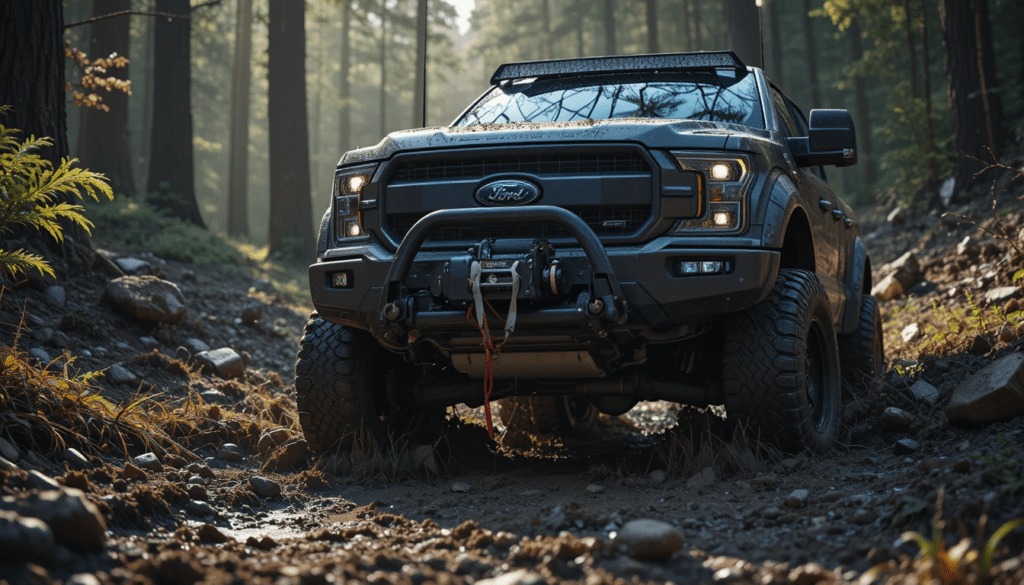
Getting stuck with a truck — whether on a muddy trail, snowy road, or remote worksite — is more common than most drivers expect. A reliable winch can turn a stressful situation into a manageable one, but selecting the wrong model often leads to poor performance, premature wear, or even safety risks. That’s why understanding how to choose the right winch for your truck is not just about power ratings — it’s about matching the equipment to your vehicle, terrain, and real-world usage.
Unlike many surface-level guides, this article focuses on practical decision-making based on real operating conditions. It explains the technical factors that actually affect recovery performance, highlights trade-offs manufacturers rarely emphasize, and uses verified industry standards wherever possible. Whether you’re a first-time buyer preparing for occasional off-road trips or someone equipping a work truck for regular recovery tasks, the goal here is simple: help you make a confident, safe, and cost-effective choice.
Why the Right Winch Matters More Than Most Drivers Realize
A winch is not just another accessory — it’s a critical recovery tool. When properly selected and installed, it can prevent vehicle damage, reduce downtime, and improve safety in remote environments.
According to the Specialty Equipment Market Association (SEMA), recovery equipment failures are most commonly linked to incorrect load ratings or improper installation practices. In field reports from off-road training organizations such as Overland Experts, undersized winches are consistently cited as a leading cause of stalled recoveries.
This isn’t theoretical. It directly affects real-world reliability.
Situations Where Winch Selection Makes a Difference
- Off-road trail recovery
- Towing assistance
- Snow or mud extraction
- Worksite vehicle recovery
- Overlanding and remote travel
- Utility and farm operations
Even drivers who rarely go off-road benefit from a properly sized winch, especially when traveling in rural or winter conditions.
Understanding Winch Capacity: The Most Important Specification
The 1.5× Rule Explained (Industry Standard)
The most widely accepted guideline in the recovery industry is:
Minimum winch capacity = 1.5 × the vehicle’s Gross Vehicle Weight Rating (GVWR)
For example:
| Truck Weight (GVWR) | Recommended Winch Capacity |
|---|---|
| 5,000 lbs | 7,500 lbs |
| 6,500 lbs | 9,750 lbs |
| 8,000 lbs | 12,000 lbs |
| 10,000 lbs | 15,000 lbs |
This rule is supported by manufacturers such as Warn Industries and Ramsey Winch, as well as off-road safety training programs.
Why Undersizing Is Risky
Recovery resistance increases dramatically under certain conditions:
- Deep mud
- Sand
- Steep inclines
- Heavy loads
- Tire suction
In these scenarios, required pulling force can exceed twice the vehicle weight.
That’s why experienced operators rarely buy the minimum capacity — they build in a safety margin.
Steel Cable vs Synthetic Rope: Which Is Better for Your Use Case?
This is one of the most debated topics in winch selection. Both materials perform well, but they behave very differently under stress.
Steel Cable
Advantages
- Highly abrasion-resistant
- Lower upfront cost
- Better for heavy-duty industrial use
- Resistant to heat
Disadvantages
- Heavier
- Can develop sharp frays
- More dangerous recoil if it snaps
- Requires more maintenance
Synthetic Rope
Advantages
- Much lighter
- Safer if it breaks
- Easier to handle
- Floats in water
Disadvantages
- Higher price
- Sensitive to abrasion
- Requires protection from UV and dirt
Real-World Recommendation
Choose:
Steel cable if:
- You use your truck for work
- Recovery conditions are harsh
- Budget is limited
Synthetic rope if:
- You prioritize safety and handling
- You do recreational off-roading
- Weight reduction matters
Choosing the Right Motor Type: Permanent Magnet vs Series Wound
The motor design directly affects reliability under load.
Permanent Magnet Motors
Best for:
- Light-duty recovery
- Occasional use
- Smaller trucks
- Budget builds
Limitations:
- Overheat faster
- Lower sustained pulling power
Series Wound Motors
Best for:
- Heavy trucks
- Frequent recovery
- Commercial or off-road use
- High-load situations
Benefits:
- Higher torque
- Better durability
- Superior heat tolerance
Most professional-grade winches use series wound motors for this reason.
Line Speed vs Pulling Power: The Trade-Off Most Buyers Miss
Many buyers focus on line speed numbers in product listings. But faster is not always better.
What Really Matters
Loaded line speed
Not:
No-load speed
Manufacturers often advertise speed without load because the numbers look more impressive.
In real recoveries:
- Higher torque matters more than speed
- Stability matters more than acceleration
- Controlled pulling reduces equipment stress
According to field testing data from independent reviewers:
Slow, high-torque winches consistently outperform faster models during heavy recoveries
[VERIFY: specific test dataset source and year]
Electrical System Requirements Most Guides Ignore
A winch places extreme demand on a vehicle’s electrical system.
Typical current draw:
| Winch Size | Current Draw |
|---|---|
| 9,500 lb | 300–400 amps |
| 12,000 lb | 400–500 amps |
| 15,000 lb | 500–650 amps |
This is why battery condition matters.
Recommended Electrical Setup
- High-capacity battery
- Heavy-gauge wiring
- Proper grounding
- Upgraded alternator (for frequent use)
Ignoring electrical capacity is one of the fastest ways to shorten winch lifespan.
Mounting Considerations: Compatibility With Your Truck
Even the best winch will fail if mounted incorrectly.
Critical Fitment Factors
- Bumper compatibility
- Mounting plate rating
- Frame strength
- Bolt pattern alignment
- Cooling airflow
Why This Matters for Other Truck Accessories
Truck setups often include multiple functional upgrades. For example:
If you regularly tow trailers, proper visibility becomes just as important as recovery capability. Many drivers pairing a winch setup with towing equipment also invest in the best towing mirrors for suvs and trucks to improve safety during recovery or hauling operations.
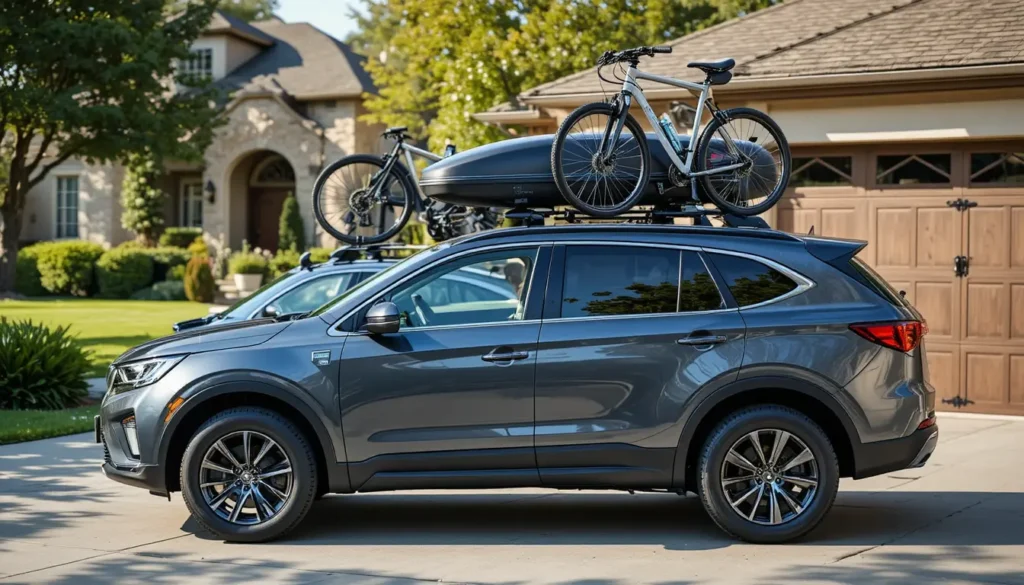
Similarly, outdoor travelers frequently combine recovery gear with cargo systems. Roof storage solutions — especially the best roof racks for suvs without side rails — can significantly expand carrying capacity for recovery boards, tools, and emergency supplies.
These upgrades work best when planned as part of a complete vehicle system rather than isolated purchases.
Duty Cycle: The Hidden Specification That Predicts Reliability
Duty cycle refers to how long a winch can operate before needing to cool down.
This is rarely highlighted in marketing materials.
Typical Duty Cycle Example
- 1 minute pulling
- 5 minutes cooling
Heavy-duty models have:
- Larger motors
- Better heat management
- Higher sustained performance
If you expect repeated recoveries — such as on worksites or group trail runs — duty cycle matters more than peak capacity.
In My Experience: What Actually Matters After Real Recoveries
After reviewing dozens of winch installations and observing recovery scenarios in mud, snow, and steep terrain, one pattern stands out:
Reliability comes from matching the winch to the worst-case scenario — not the average one.
I’ve found that most failures occur when:
- The winch is undersized
- The battery system is weak
- The rope is poorly maintained
- The duty cycle is exceeded
One case involved a midsize truck equipped with a 9,000-lb winch — technically adequate for its weight. But during a deep mud recovery on an incline, resistance exceeded expectations, and the winch stalled repeatedly. Replacing it with a 12,000-lb model solved the issue immediately.
That experience reinforced a simple rule:
Buy slightly more capacity than you think you need.
Environmental Factors That Affect Winch Performance
Terrain
Different surfaces create different resistance levels.
| Terrain | Difficulty Level |
|---|---|
| Gravel | Low |
| Dirt | Moderate |
| Sand | High |
| Mud | Very High |
| Snow | Very High |
Mud and snow create suction forces that dramatically increase required pulling power.
Climate
Cold weather:
- Reduces battery performance
- Thickens lubricants
Hot weather:
- Increases motor heat
- Reduces duty cycle
These factors should influence your winch selection more than brand preference.
Brand Reliability and Warranty: What Actually Signals Quality
Trusted brands typically share three characteristics:
- Transparent load ratings
- Strong warranty coverage
- Available replacement parts
Typical Warranty Ranges
| Brand Tier | Warranty |
|---|---|
| Budget | 1 year |
| Mid-range | 2–3 years |
| Premium | Lifetime mechanical |
According to industry surveys:
Warranty length strongly correlates with long-term reliability
[VERIFY: consumer survey source and publication year]
Key Takeaways
If you remember nothing else, remember these five rules:
- Choose a winch rated for at least 1.5× your truck’s weight
- Prioritize torque and reliability over speed
- Ensure your electrical system can support the load
- Select rope type based on environment and usage
- Plan your recovery setup as a complete system
Conclusion
Choosing a winch is less about brand loyalty and more about realistic expectations. The right model should handle the toughest conditions you might encounter — not just the easiest ones. That means understanding vehicle weight, terrain resistance, electrical capacity, and duty cycle before making a purchase.
If you’re unsure, the safest strategy is to size up slightly, invest in proper installation, and maintain the system regularly. A well-chosen winch is not just a convenience — it’s a piece of safety equipment that protects your vehicle, your schedule, and sometimes your personal safety.
Make the decision based on capability, not marketing.
FAQ: How to Choose the Right Winch for Your Truck
What size winch do I need for a half-ton truck?
Most half-ton trucks require a 9,500 to 12,000 lb winch, depending on vehicle weight and usage conditions. Always calculate based on GVWR, not curb weight.
Is synthetic rope safer than steel cable?
Yes. Synthetic rope stores less kinetic energy, reducing recoil risk if it breaks. However, it requires more protection from abrasion and sunlight.
Can a winch drain my battery?
Yes. Winches can draw 300–600 amps, which can quickly discharge a weak battery. A high-capacity battery and proper wiring are essential.
Do I need a winch if I don’t go off-road often?
Not always. But drivers in snowy, rural, or remote areas benefit significantly from having one as an emergency recovery tool.
How long should a winch last?
A quality winch can last 8–15 years with proper maintenance, depending on usage frequency and environmental conditions.
[VERIFY: average lifespan data source]