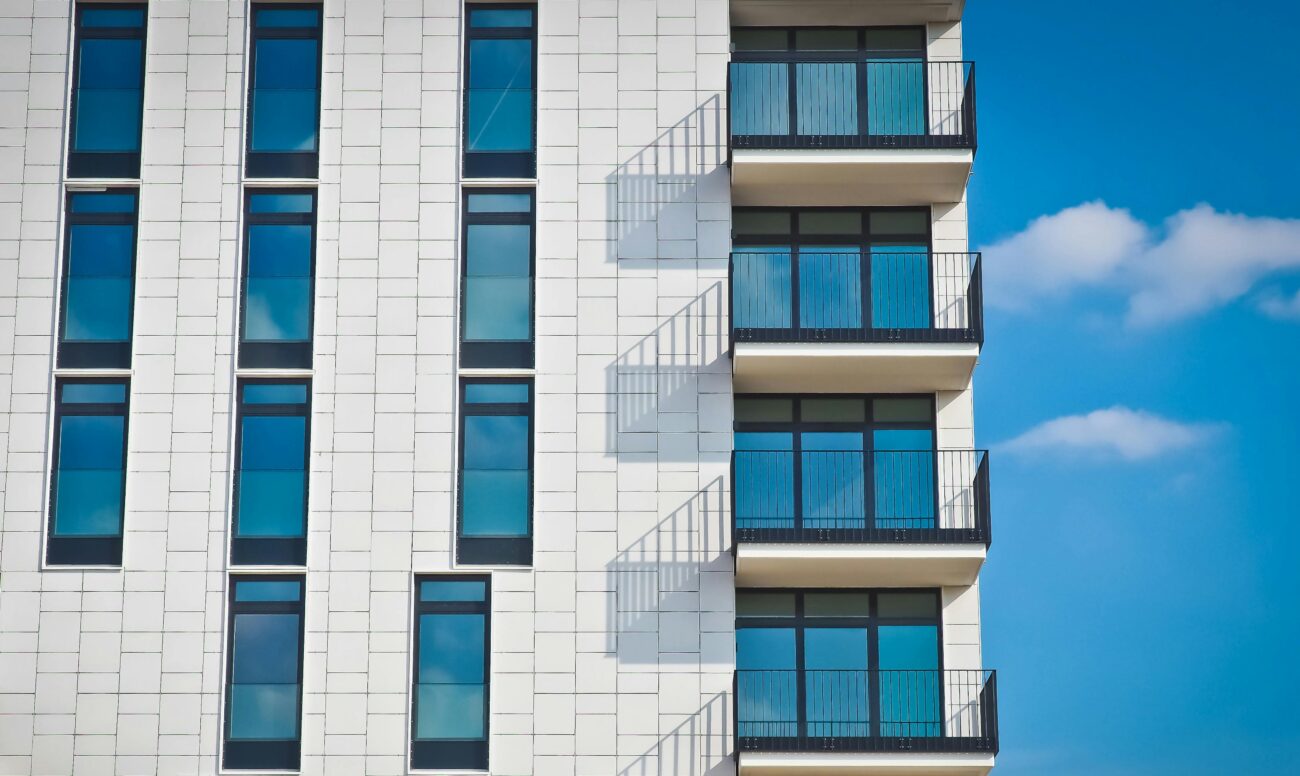
In today’s competitive real estate market, high-quality photography is no longer optional—it’s essential. Stunning real estate photography not only showcases a property’s best features but also creates an emotional connection with potential buyers. Whether you’re a real estate agent or a homeowner looking to sell, understanding the nuances of real estate photography can significantly impact your success.
Why Real Estate Photography Matters
The First Impression Counts
In the digital age, most buyers begin their home search online. According to the National Association of Realtors, 90% of home buyers search for properties online, often relying on images to make decisions. Eye-catching photographs can attract buyers’ attention and compel them to explore further, while subpar images can deter even the most interested individuals.
Emotional Engagement
High-quality images evoke emotions. Effective real estate photography tells a story, inviting buyers to imagine their life within the home. This emotional engagement can lead to quicker sales and, often, higher offers.
Establishing Trust
Professional photography signals that you take selling seriously. It portrays your property in the best light, which can establish trust with potential buyers. Poor-quality images can raise questions about what else might be wrong with the property.
Key Elements of Stunning Real Estate Photography
To effectively capture a property’s true potential, several important elements must be considered:
1. Equipment and Technical Proficiency
Investing in high-quality equipment can dramatically improve your photographs. A digital camera with adjustable manual settings enables you to control exposure, aperture, and focus. Using a tripod ensures stability and clarity, especially in low light. Additionally, a wide-angle lens can help capture the entire space, making rooms appear larger and more inviting.
2. Proper Lighting
Lighting plays a significant role in real estate photography. Natural light often delivers the best results, so shooting during the “golden hour”—the hour after sunrise and before sunset—can create warm, inviting images. Avoid shooting in harsh midday light, which can create unflattering shadows and overexposed highlights. In darker spaces, consider using HDR techniques to balance bright and dark areas.
3. Composition Techniques
Effective composition draws the viewer’s eye to the property’s most appealing features. Techniques such as the rule of thirds can add balance to your images, while leading lines guide viewers through the photographs. Always ensure the horizon is level and incorporate foreground elements to create depth.
4. Staging and Decluttering
Before the camera clicks, consider staging the property. Removing clutter and personal items helps create a canvas for potential buyers to visualize their own lives in the space. Simple touches like fresh flowers or carefully arranged furniture can elevate the appeal of a room.
5. Post-Processing Mastery
Editing software, such as Adobe Lightroom or Photoshop, allows for subtle adjustments that enhance a photo’s quality. Correcting colors, adjusting brightness, and sharpening details can make a significant difference, but be cautious—over-editing can create unrealistic images that mislead buyers.
Hiring a Professional vs. DIY Photography
While some individuals may attempt to take photos themselves, hiring a professional photographer often yields superior results. A seasoned photographer brings not just technical skills but also an artistic eye honed over years of experience. However, if you choose to go the DIY route, closely follow the tips mentioned for optimal results.
Incorporating Virtual Tours and Drone Photography
In a world that increasingly embraces technology, consider supplementing traditional photographs with virtual tours and drone photography. Virtual tours allow potential buyers to explore a property from the comfort of their homes, making them more invested. Drone footage offers sweeping views of larger properties and helps showcase the surrounding area, enhancing the property’s overall appeal.
Conclusion
Stunning real estate photography is a powerful tool in selling homes and engaging potential buyers. By understanding the importance of high-quality images and employing key techniques such as proper lighting, thoughtful composition, and effective staging, sellers can present their properties in the best light—literally and figuratively.
By prioritizing professional photography, sellers not only enhance their listings but also foster emotions that lead to quicker and more lucrative sales. So, whether you’re preparing to sell your home or help clients find theirs, remember that stunning imagery can make all the difference. Invest time and resources into showcasing your property’s true potential, and watch as it captures the hearts—and offers—of buyers.
