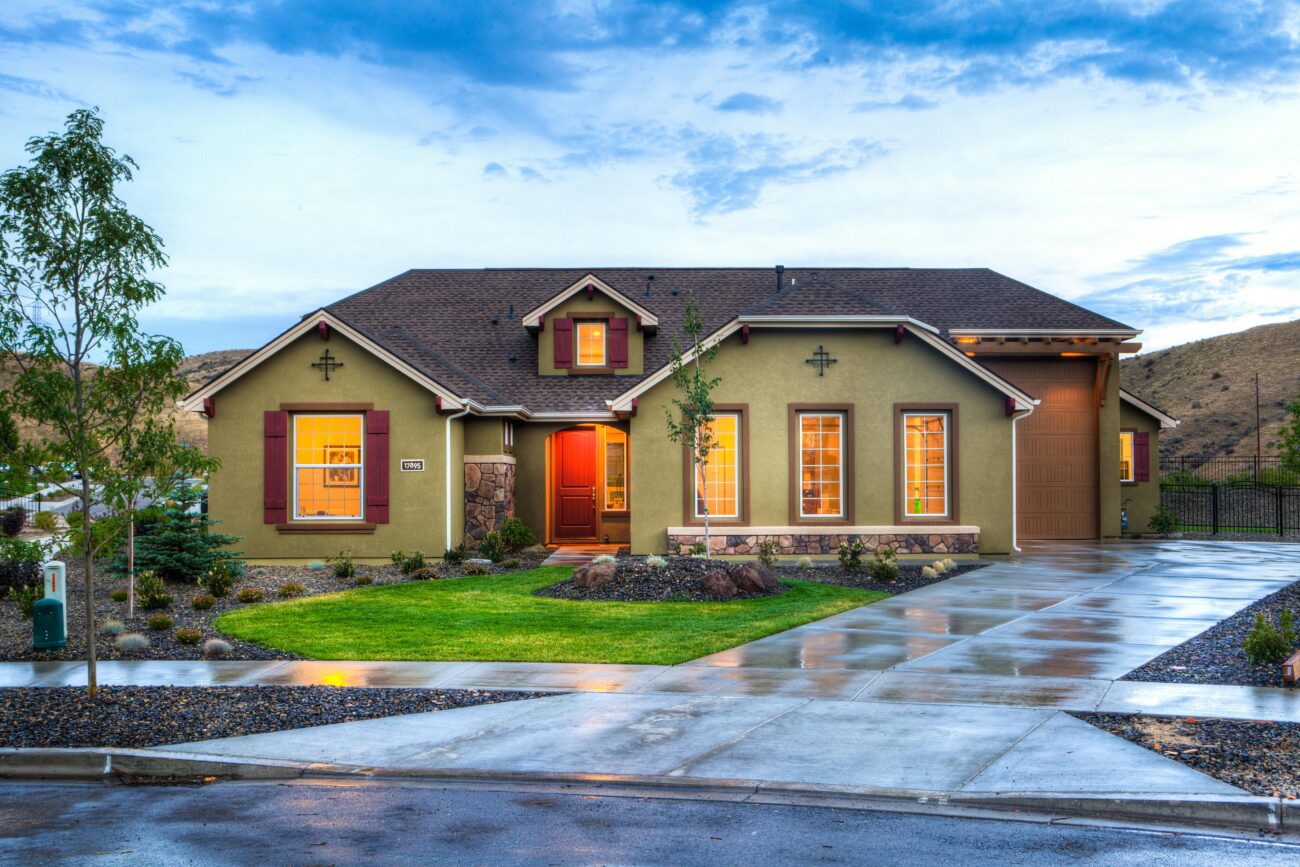
Investing in real estate can often feel daunting, especially for newcomers trying to navigate the complexities of the market. One crucial term that every aspiring investor should understand is After Repair Value (ARV). This metric plays a pivotal role in determining potential profitability for real estate investments, particularly in flipping houses and rental properties. In this guide, we will explore what ARV is, how to calculate it, and its significance in making informed investment decisions.
What Is ARV?
After Repair Value (ARV) refers to the estimated value of a property after all renovations and improvements have been completed. It is especially important for real estate investors who focus on “fix-and-flip” strategies. By understanding ARV, investors can assess whether a property will yield a profitable return post-renovation.
Importance of ARV in Real Estate Investing
-
Investment Viability: ARV helps determine whether a potential investment aligns with your profit goals. If the estimated value post-repair does not significantly exceed the purchase price plus renovation costs, it’s likely not worth pursuing.
-
Funding Justification: Banks and lenders often require a clear ARV when providing funding for real estate projects. Demonstrating potential profit through ARV can ease the financing process.
-
Strategic Planning: Understanding ARV allows you to create a more accurate budget for renovations and make smart decisions about design and features that will enhance property value.
How to Calculate ARV
Calculating ARV involves a few straightforward steps:
1. Research Comparable Sales (Comps)
To get an accurate ARV, start by identifying comparable properties that have sold recently in the same neighborhood. Look for homes that share characteristics like size, age, and condition. Websites like Zillow, Redfin, or local real estate databases can be incredibly helpful for this research.
2. Analyze the Data
Once you gather data on comparable properties, analyze their sales prices. To refine your analysis, consider the following factors:
- Property size (square footage)
- Type of improvements made (kitchen remodel, bathroom upgrades, etc.)
- Location and neighborhood dynamics (school districts, local amenities)
3. Calculate the Average Price per Square Foot
Take the sale prices of your comps and divide each by their respective square footage to arrive at a price per square foot. You’ll then average these figures to get a baseline for the area.
4. Estimate Your Property’s Value
Multiply the average price per square foot by your property’s square footage to estimate your ARV. This figure gives you a solid foundation for understanding potential profit after renovations.
Example Calculation
Let’s say you find three comps:
- Property 1: 1,500 sq ft sold for $300,000
- Property 2: 1,600 sq ft sold for $360,000
- Property 3: 1,400 sq ft sold for $280,000
Calculating the price per square foot:
- Property 1: $300,000 / 1,500 = $200
- Property 2: $360,000 / 1,600 = $225
- Property 3: $280,000 / 1,400 = $200
Average price per square foot = ($200 + $225 + $200) / 3 = $208.33
If your property is 1,500 sq ft:
ARV = 1,500 sq ft x $208.33 = approximately $312,500.
Impact of Renovations on ARV
Investors should choose renovations carefully as not all upgrades provide the same return on investment (ROI). Below are some renovations that typically yield higher returns:
- Kitchen Remodeling: Often considered the heart of the home, modernizing the kitchen can significantly boost ARV.
- Bathroom Updates: Updating fixtures and tiles can also markedly increase property value.
- Curb Appeal: Enhancing the exterior through landscaping and paint can improve first impressions, thereby increasing perceived value.
Risks and Considerations
While understanding ARV is crucial for maximizing profit potential, it’s essential to acknowledge the risks involved:
- Market Fluctuations: Real estate markets can change rapidly. The comp data you used could become outdated in a short time.
- Overspending on Renovations: Straying from your budget can diminish potential profits. Stick to planned updates that will yield the best ROI.
- Underestimating Holding Costs: Remember to factor in costs like property taxes, insurance, and utilities while holding the property.
Conclusion
Unlocking profit potential in real estate investments hinges on a solid understanding of key metrics like After Repair Value (ARV). By conducting thorough research, accurately estimating property value, and aligning your renovation strategy with the market’s demands, you can enhance your likelihood of profitable outcomes.
Whether you are a seasoned investor or just starting, applying these principles will allow you to navigate the intricacies of the real estate market with confidence and clarity. Always stay informed and adaptable to shifting market dynamics, ensuring that you make decisions backed by data and strategic insights.
This comprehensive guide serves not only as a primer on ARV but also as a valuable resource for understanding the broader landscape of real estate investing. Embrace your journey as a real estate investor, and watch as your knowledge translates into successful investments.
