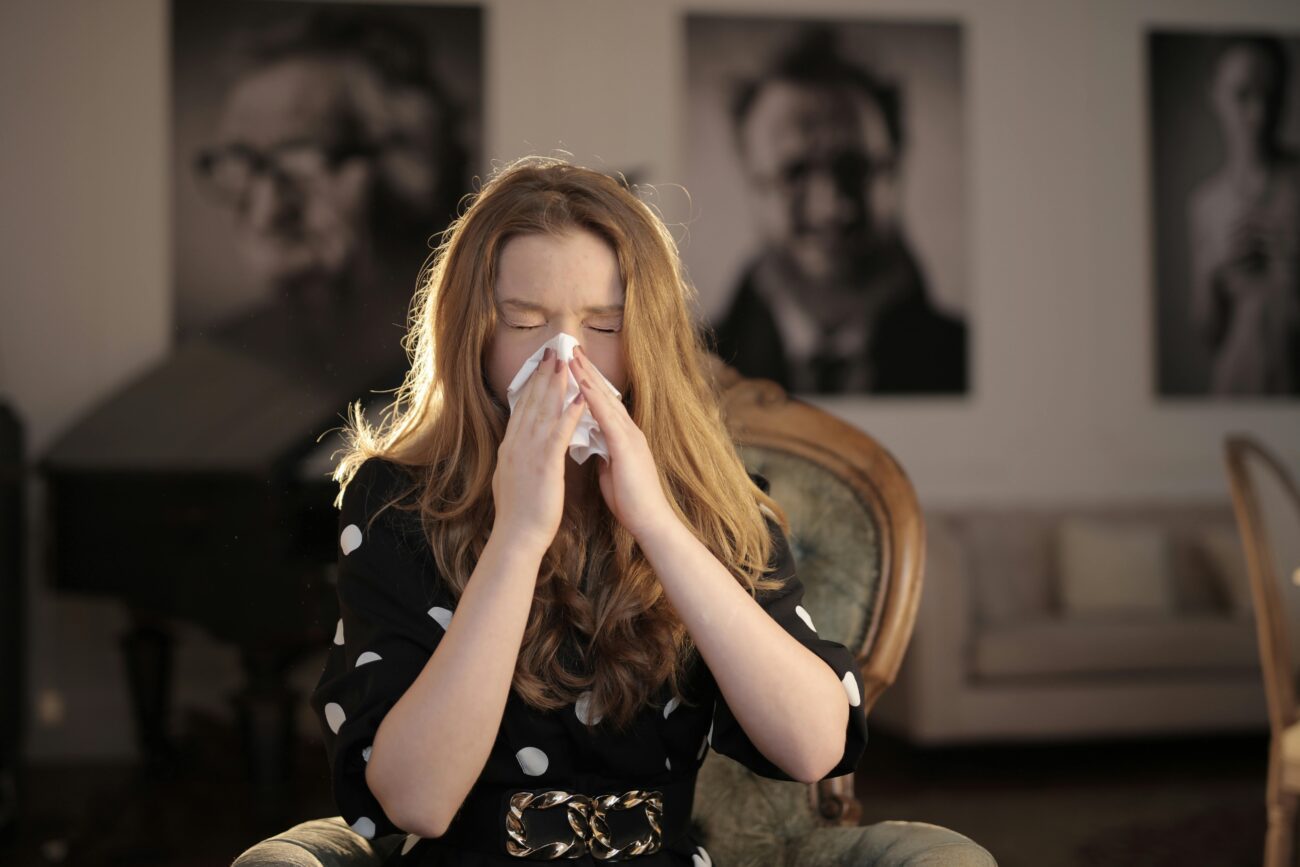
Menopause is a significant transition in a woman’s life, marking the end of menstrual cycles and a shift in hormonal balance. While many women may be familiar with the symptoms of perimenopause and menopause itself, understanding what happens during the postmenopause phase is equally essential. As your body adjusts to lower estrogen levels, you may experience various symptoms. This article provides an in-depth look at 34 common symptoms of postmenopause, aiming to inform and empower women navigating this stage of life.
What is Postmenopause?
Postmenopause refers to the years following menopause, which is defined as having gone 12 consecutive months without a menstrual period. Typically, this stage begins around age 51 but can range significantly among women. During postmenopause, hormone levels stabilize at lower levels, drastically affecting your health, well-being, and daily living.
Common Symptoms of Postmenopause
1. Hot Flashes
These sudden feelings of warmth can still occur in postmenopause, albeit often less intensely than during menopause. Hot flashes are often accompanied by flushing and sweating, making them uncomfortable for many women.
2. Night Sweats
Similar to hot flashes, night sweats can disturb sleep by causing excessive sweating during the night. These episodes can make it difficult to achieve restful sleep.
3. Vaginal Dryness
Decreased estrogen levels can cause vaginal tissues to become thinner and drier, leading to discomfort during intercourse and an increased risk of infections.
4. Decreased Libido
Many women report a decline in sexual desire post-menopause, often related to hormonal changes and physical discomfort.
5. Mood Swings
Postmenopause can usher in changes in mood, including irritability, anxiety, and even depression, largely influenced by hormone fluctuations.
6. Weight Gain
Hormonal changes often lead to weight redistribution, particularly around the abdomen. This symptom can be concerning for many women, affecting self-image and overall health.
7. Fatigue
Many women experience chronic fatigue during postmenopause, which may be linked to hormonal changes, lack of sleep, or underlying conditions.
8. Memory Issues
Postmenopausal women sometimes report symptoms including forgetfulness and difficulty concentrating, often referred to as “brain fog.”
9. Bone Density Loss
Estrogen plays a crucial role in maintaining bone mass, and its decline can lead to osteoporosis or increased fracture risk.
10. Changes in Hair
Women may notice hair thinning on the scalp or increased facial hair growth, resulting from hormonal alterations.
11. Skin Changes
Your skin may become drier and lose elasticity, leading to wrinkles. Many women also report skin itching or irritation.
12. Urinary Issues
Postmenopause can lead to urinary incontinence or frequent urination due to weakened pelvic muscles and hormonal changes.
13. Increased Risk of Heart Disease
Lower estrogen levels can increase the risk of cardiovascular diseases, making heart health a priority during and after postmenopause.
14. Gastrointestinal Issues
Some women experience digestive changes, including bloating, gas, or altered bowel habits.
15. Joint and Muscle Pain
A decrease in estrogen may contribute to joint stiffness and muscle aches, impacting mobility and quality of life.
16. Sleep Disturbances
Beyond night sweats, other sleep disturbances such as insomnia can occur, leading to increased fatigue and irritability.
17. Hot Flashes During Sleep
Many women experience nighttime hot flashes, contributing to sleep disruption and overall fatigue.
18. Memory Loss
Cognitive changes, such as lapses in memory, are common postmenopausal symptoms that can be concerning for many women.
19. Changes in Mood Regulation
Postmenopausal hormones can lead to a variety of mood disorders, including anxiety and depression.
20. Decreased Sense of Taste or Smell
Hormonal shifts can lead to changes in sensory perception, impacting dietary choices and enjoyment.
21. Changes in Menstrual Cycle Patterns
While menstrual periods have stopped, some women may still experience occasional bleeding or spotting.
22. Changes in Foot Size
Some women report fluctuations in foot size, potentially affecting comfort and footwear choices.
23. Allergies and Sensitivities
Some women may experience heightened allergies or new sensitivities to foods or environmental factors.
24. Changes in Body Temperature Regulation
Increased difficulty regulating body temperature is often noted, leading to discomfort in various climates.
25. Increased Risk of Infections
Postmenopausal hormonal changes can lead to a higher susceptibility to urinary tract infections (UTIs) and other infections.
26. Fatigue
Many women report increased fatigue due to various factors, including sleep disturbances and hormonal changes.
27. Changes in Breast Tissue
Breast tissue may become denser or less firm, leading to changes in breast shape.
28. Increased Emotional Sensitivity
Some women may find themselves experiencing heightened emotional responses, impacting interpersonal relationships.
29. Changes in Appetite
Hormonal changes can lead to fluctuations in hunger and cravings, impacting dietary habits.
30. Increased Sweating
Even outside of hot flashes, increased sweating or excessive perspiration can occur during postmenopause.
31. Decreased Immune Function
Lower estrogen levels may contribute to a decline in immune response, increasing the risk of ailments.
32. Increased Pressure in the Head or Migraines
Some women report experiencing increased headaches or migraines related to hormonal changes.
33. Nerve Pain
Hormonal fluctuations can sometimes result in nerve pain or heightened sensitivity in certain areas of the body.
34. Hair Texture Changes
Some women notice changes in hair texture, leading to drier or coarser hair, affecting personal grooming routines.
Managing Postmenopausal Symptoms
Dealing with postmenopausal symptoms can be challenging, but there are several strategies to ease discomfort:
- Hormone Replacement Therapy (HRT): Discuss with your healthcare provider whether HRT is a suitable option for you.
- Lifestyle Modifications: Incorporate regular exercise, a balanced diet, and adequate hydration into your routine.
- Alternative Therapies: Consider exploring acupuncture, yoga, or supplements tailored to postmenopausal symptoms.
- Mental Health Support: Seek help from therapists or support groups to address mood changes and emotional challenges.
Conclusion
Understanding the myriad symptoms associated with postmenopause can empower women to seek appropriate management and support. Awareness of these changes is the first step toward reducing discomfort and improving quality of life during this transitional phase. If you experience concerning or persistent symptoms, it is pivotal to consult a healthcare professional to explore personalized options for relief and support. Remember, you are not alone—many women navigate this stage, and many resources are available to help.
