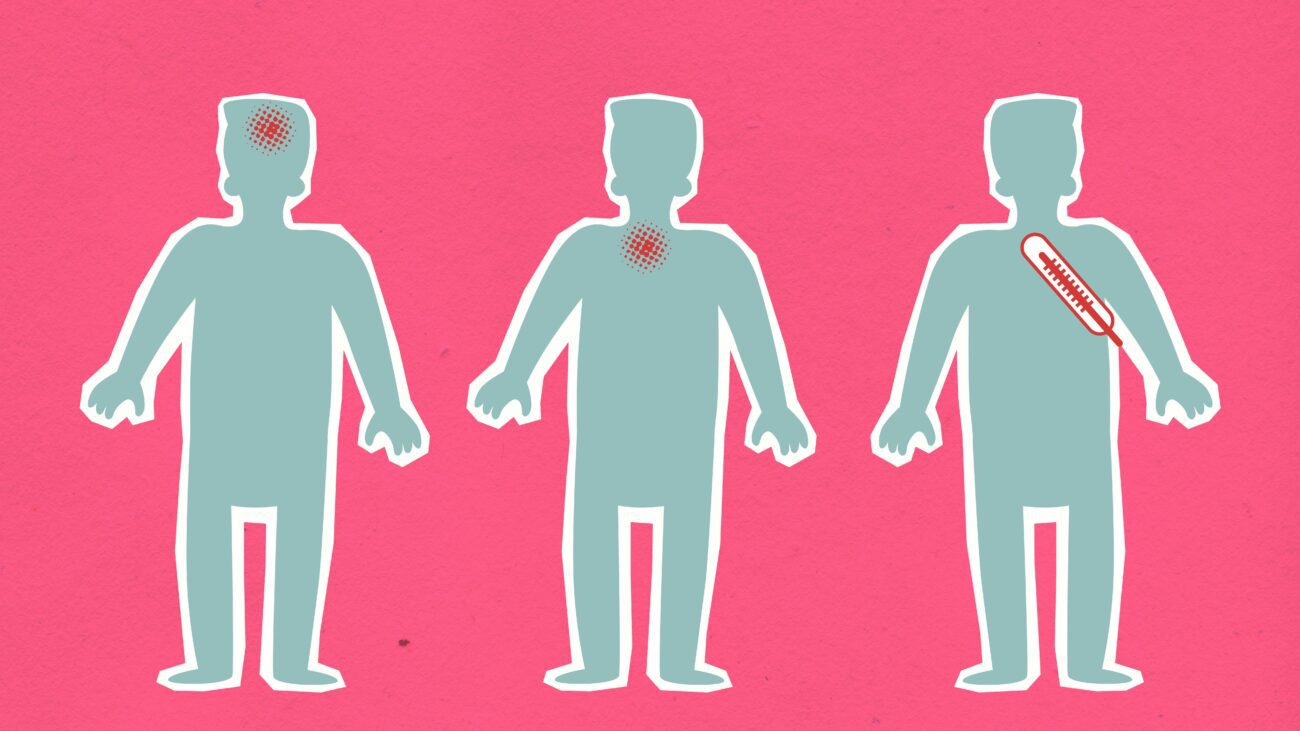
Rhabdomyosarcoma (RMS) is a rare but aggressive form of cancer that primarily affects children and adolescents. Understanding its symptoms is crucial for early detection and effective treatment. In this comprehensive guide, we’ll delve into the key symptoms associated with rhabdomyosarcoma, who is at risk, and the importance of early diagnosis.
What is Rhabdomyosarcoma?
Rhabdomyosarcoma originates in the soft tissues, particularly in skeletal muscle, and can develop in various parts of the body, including the head, neck, abdomen, limbs, and genitourinary tract. While RMS can occur at any age, it is most commonly diagnosed in children under 10.
Types of Rhabdomyosarcoma
There are primarily three types of rhabdomyosarcoma:
- Embryonal Rhabdomyosarcoma: The most common type, often seen in younger children.
- Alveolar Rhabdomyosarcoma: More prevalent in older children and teenagers.
- Pleomorphic Rhabdomyosarcoma: Mainly found in adults, but rare in children.
Key Symptoms of Rhabdomyosarcoma
Recognizing the symptoms of rhabdomyosarcoma can significantly influence treatment outcomes. Symptoms often vary by the tumor’s location but may include:
1. Swelling or Lumps
A noticeable and often painless lump is one of the hallmark symptoms. This may occur in the arms, legs, or other accessible areas. Tumors in deeper tissues could manifest as swelling without visible lumps.
2. Pain
Tumor growth can lead to localized pain, particularly if the tumor presses on nearby nerves, muscles, or organs. Persistent pain that isn’t explained by injury warrants further investigation.
3. Changes in Function
For tumors located near or involving vital structures, patients might experience functional alterations, such as:
- Difficulty urinating or bowel issues: Common with tumors in the abdomen or pelvic areas.
- Eye problems: Tumors near the eye can cause vision changes or bulging eyes.
4. Unexplained Symptoms
Some general symptoms include:
- Unexplained weight loss
- Fatigue
- Fever: Sometimes, consistent low-grade fevers may occur, indicating an underlying health issue.
Risk Factors for Rhabdomyosarcoma
While the exact cause of rhabdomyosarcoma remains unclear, several risk factors have been identified, including:
- Genetic disorders: Conditions like Li-Fraumeni syndrome and Beckwith-Wiedemann syndrome can increase risk.
- Family history: A history of soft tissue cancers in the family may elevate potential risk.
Importance of Early Detection
Early detection of rhabdomyosarcoma is paramount. Tumors are more responsive to treatment when diagnosed at an earlier stage. Regular check-ups and awareness of potential symptoms can lead to timely medical evaluations, enhancing outcomes.
When to See a Doctor
If you observe any unexplained swelling, persistent pain, or other concerning symptoms, it’s essential to consult a healthcare provider. Early diagnosis often involves imaging tests like ultrasounds, MRIs, or CT scans, followed by biopsies for definitive diagnosis.
Conclusion
Being well-informed about rhabdomyosarcoma symptoms can significantly impact the effectiveness of treatment options. Awareness and vigilance can aid in early detection, ultimately saving lives. If you or someone you know is experiencing potential symptoms, do not hesitate to seek medical advice. Early action can lead to better health outcomes and guide paths toward recovery.
By educating ourselves about rhabdomyosarcoma, we foster a supportive environment for those affected and potentially save lives through early detection and timely medical intervention. Remember, knowledge is power in the fight against cancer.
