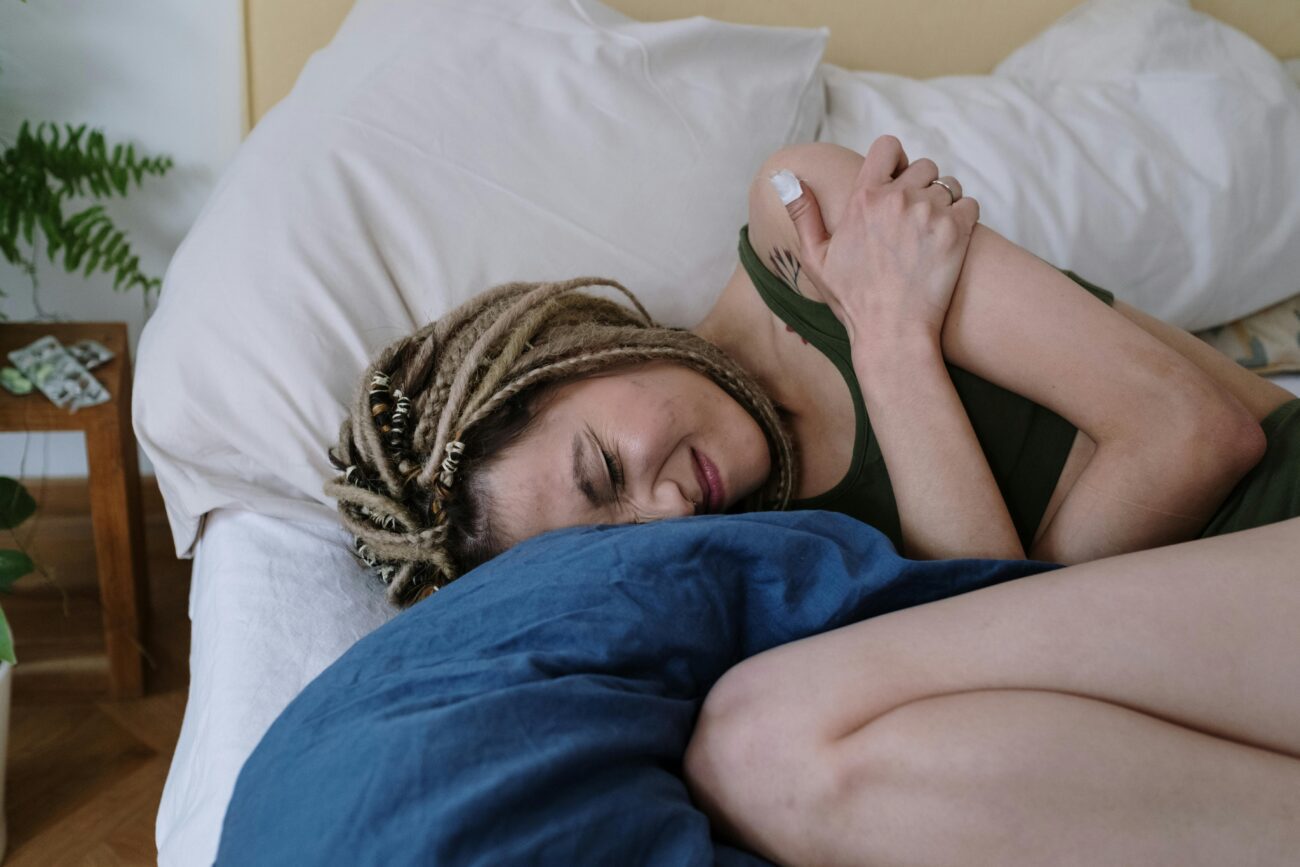
Body Dysmorphic Disorder (BDD) is a complex psychological condition characterized by an overwhelming obsession with perceived flaws in physical appearance. Often misunderstood or overlooked, BDD significantly impacts how individuals feel about themselves and their daily functioning. In this article, we aim to shed light on the key symptoms of BDD and why recognizing them is crucial for effective treatment and support.
What is Body Dysmorphic Disorder?
Body Dysmorphic Disorder is classified under obsessive-compulsive disorders in the DSM-5, the diagnostic manual for mental health professionals. Individuals with BDD may focus on specific body parts, such as skin, hair, or facial features, believing they are flawed or unattractive. This persistent preoccupation can lead to significant distress, impairing social interactions, work performance, and overall quality of life.
The Prevalence of BDD
Research suggests that BDD affects approximately 1% to 2% of the general population, impacting both males and females alike. While symptoms can emerge in childhood or adolescence, the average age of onset is around 16 years. Unfortunately, many individuals with BDD do not seek help, often hiding their condition due to shame or embarrassment.
Key Symptoms of Body Dysmorphic Disorder
Recognizing the symptoms of BDD is crucial for effective diagnosis and intervention. Here are the primary signs to look out for:
1. Preoccupation with Perceived Flaws
Individuals with BDD often cannot stop thinking about specific aspects of their appearance, which they perceive as flawed. This may manifest as an overwhelming focus on skin imperfections, hair thinning, or other perceived defects that others may not notice.
2. Excessive Grooming or Avoidance Behaviors
People with BDD may engage in compulsive behaviors to “correct” their perceived flaws. This includes excessive grooming, skin picking, or trying multiple products in a vain attempt to improve their appearance. Conversely, some may avoid social situations, mirrors, or photographs to prevent confronting their perceived imperfections.
3. Social Anxiety and Isolation
Due to their self-consciousness about their appearance, individuals with BDD often experience debilitating social anxiety. They might avoid social interactions, fearing judgment or ridicule, which can lead to isolation and further emotional distress.
4. Distorted Self-Image
A hallmark of BDD is a severely distorted view of one’s body. Despite evidence to the contrary, individuals may view themselves as ugly or abnormal. This distorted self-image can fuel feelings of worthlessness, depression, and low self-esteem.
5. Reassurance Seeking
In an attempt to alleviate their anxiety, individuals suffering from BDD often seek constant reassurance from friends and family about their appearance. However, this temporary relief is usually short-lived and may exacerbate their concerns.
6. Impact on Daily Functioning
The obsessive thoughts and compulsive behaviors associated with BDD can severely hamper daily life. Individuals may struggle to meet work or academic responsibilities and experience difficulties maintaining relationships due to their condition.
The Importance of Early Recognition and Support
Recognizing the symptoms of Body Dysmorphic Disorder is critical for early intervention. If you or someone you know exhibits these symptoms, seeking professional guidance is essential. Psychotherapy, particularly cognitive-behavioral therapy (CBT), is considered the most effective treatment for BDD. CBT helps individuals challenge negative thought patterns and develop healthier coping strategies.
Additionally, in some cases, a mental health professional may prescribe medication, such as SSRIs (selective serotonin reuptake inhibitors), to help manage symptoms.
Conclusion
Body Dysmorphic Disorder is a serious mental health condition that requires recognition, understanding, and support. By familiarizing ourselves with the key symptoms, we can foster a more compassionate and informed community. If you suspect that you or someone close to you is struggling with BDD, remember that help is available. Recovery is possible, and treatment can lead to significant improvements in quality of life.
If you’re looking for more information or resources related to Body Dysmorphic Disorder, don’t hesitate to reach out to mental health professionals or local support groups. Awareness and understanding are the first steps towards recovery.
