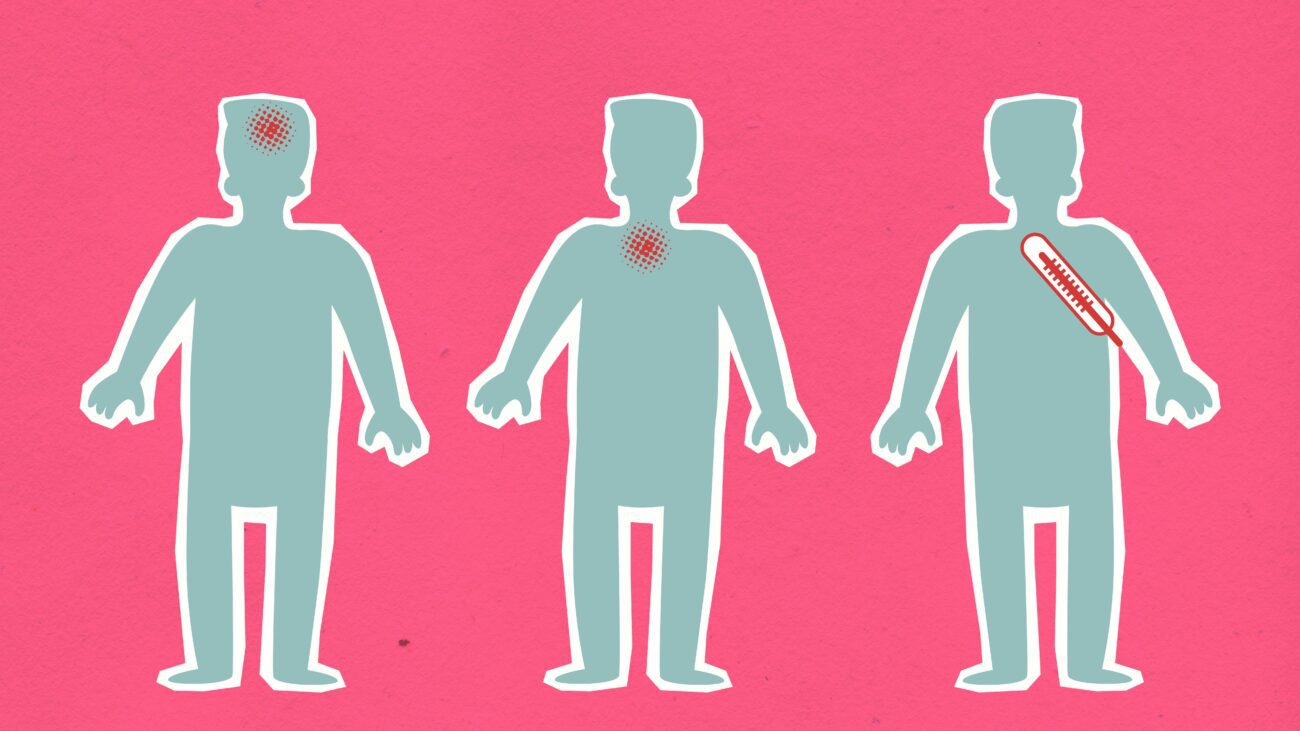
Grass allergies are a common concern during warmer months, affecting millions of people worldwide. Whether you’re a seasoned allergy sufferer or new to the experience, understanding the symptoms, causes, and relief strategies associated with grass allergies can significantly enhance your quality of life. In this comprehensive guide, we’ll delve into the intricacies of grass allergies, helping you identify red flags, understand the underlying causes, and explore effective treatment options.
What is Grass Allergy?
Grass allergies are a type of allergic rhinitis triggered by pollen produced by various grasses during their peak growth seasons, usually in late spring to early summer. The most common allergens include Bermuda grass, Timothy grass, and Kentucky bluegrass. Symptoms can range from mild to severe, affecting your daily activities and overall well-being.
Common Symptoms of Grass Allergies
Recognizing the symptoms of grass allergies is the first step toward effective management. Symptoms typically occur within a few hours of exposure to pollen and may include:
- Nasal Congestion: A stuffy or runny nose due to inflammation caused by histamines.
- Sneezing: Frequent, uncontrollable sneezing fits, often triggered by pollen inhalation.
- Itchy Eyes, Nose, or Throat: Allergic reactions can provoke intense itchiness that may lead to discomfort.
- Coughing: A persistent cough due to post-nasal drip or throat irritation.
- Fatigue: Ongoing allergic reactions can lead to feelings of tiredness or lethargy.
- Headaches: Sinus pressure and congestion may result in headaches.
Causes of Grass Allergies
Grass pollen is the primary culprit behind grass allergies. Here are some contributing factors that may heighten your susceptibility:
- Genetics: Family history of allergies can increase your risk.
- Environmental Factors: Living in areas with abundant vegetation or specific grasses can elevate exposure.
- Air Quality: Pollution and other allergens in the air can compound sensitivities.
- Seasonal Changes: Different grasses pollinate at various times; understanding these seasons is crucial for management.
Diagnosis of Grass Allergies
If you suspect you have a grass allergy, consulting an allergist is essential for accurate diagnosis and treatment. Common diagnostic methods include:
- Skin Prick Test: Small amounts of allergens are introduced into the skin to determine sensitivity.
- Blood Test: This measures the immune system’s response to specific allergens known as IgE antibodies.
Relief Strategies for Grass Allergies
Managing grass allergies doesn’t have to derail your summer plans. Here are effective strategies for relief:
1. Avoidance Techniques
- Stay Indoors: Limit outdoor activities, especially on windy days or during high pollen counts.
- Check Pollen Forecasts: Utilize apps and websites to monitor pollen levels and plan activities accordingly.
- Close Windows: Keep windows shut to prevent pollen from entering your home.
2. Medication Options
- Antihistamines: Over-the-counter options like cetirizine or loratadine can help alleviate sneezing, itching, and runny nose.
- Nasal Corticosteroids: Sprays like fluticasone reduce inflammation and provide long-term relief.
- Decongestants: Temporary relief for nasal congestion can be achieved with medications like pseudoephedrine.
3. Allergy Shots (Immunotherapy)
For severe cases, consulting with an allergist about immunotherapy might be worth considering. This process involves gradually desensitizing your body to specific allergens over time.
4. Natural Remedies
Some individuals find relief through natural methods, such as:
- Saline Nasal Rinses: These can help flush out allergens from the nasal passages.
- HEPA Filters: Utilizing high-efficiency particulate air filters in your home can reduce exposure to pollen.
Conclusion
Understanding grass allergy symptoms, their causes, and effective relief strategies is crucial for anyone affected by this condition. By recognizing the symptoms early, avoiding triggers, and utilizing appropriate treatment, you can manage your allergies more effectively and enjoy the outdoors with less discomfort.
For the best outcomes, always consult with a healthcare professional when considering treatment plans or if symptoms persist. By arming yourself with the right knowledge and tools, you can navigate grass allergy season with confidence and ease. Remember, you’re not alone in this journey, and effective management is within your reach.
