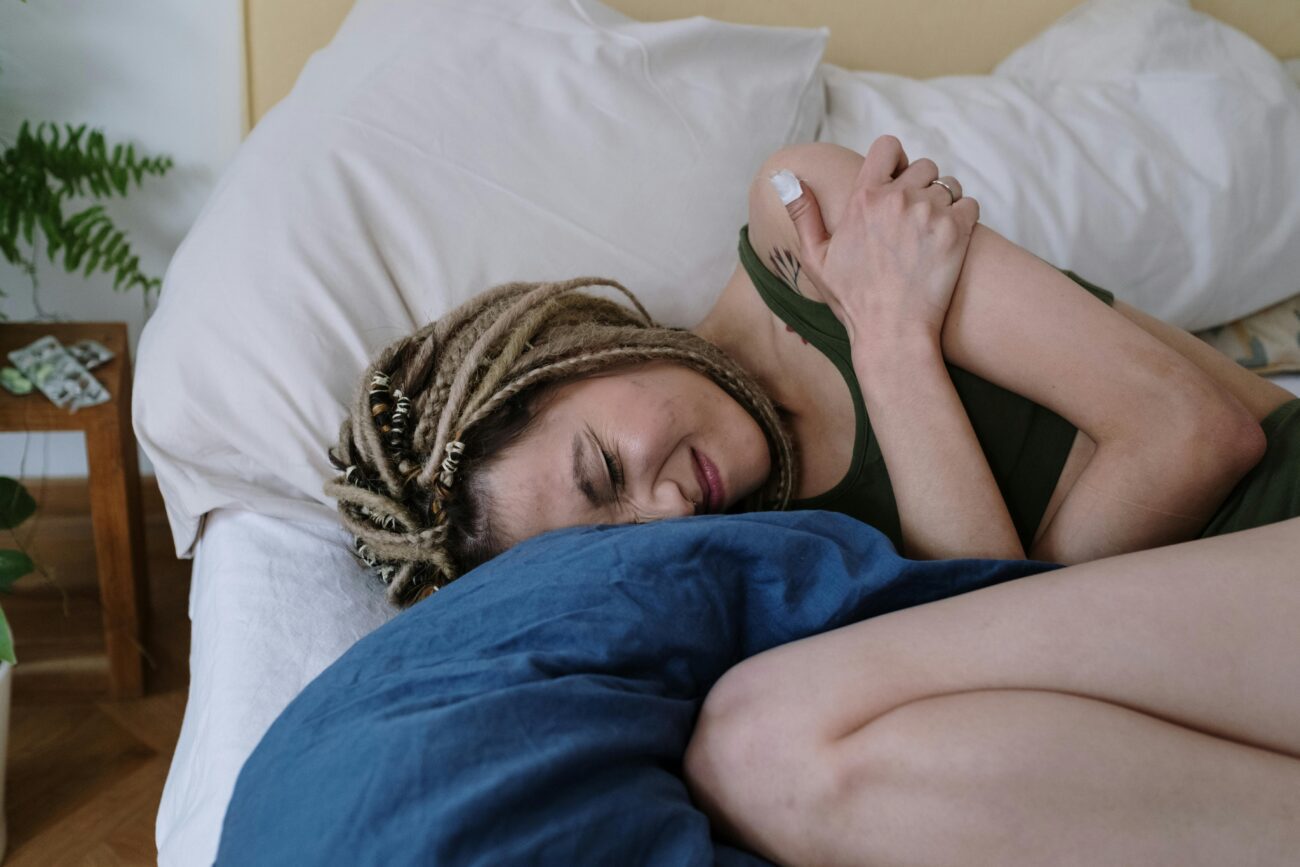
Herniated discs can be a source of significant discomfort and disruption in daily life. If you’re experiencing L5-S1 pain, understanding the symptoms, causes, and treatment options can bring you closer to effective relief. This comprehensive guide will equip you with valuable information to help manage herniated disc symptoms, particularly in the lumbar region of the spine.
What is a Herniated Disc?
The spine consists of vertebrae stacked on top of each other, cushioned by intervertebral discs. These discs contain a gel-like center, known as the nucleus pulposus, surrounded by a tougher, fibrous exterior called the anulus fibrosus. A herniated disc occurs when the outer layer weakens or tears, allowing the inner substance to protrude. This can lead to nerve compression, resulting in pain, numbness, or weakness.
The L5-S1 Disc
The L5-S1 disc, located between the last lumbar vertebra (L5) and the first sacral vertebra (S1), is particularly vulnerable to degeneration due to its role in bearing weight and providing mobility. Problems in this area often manifest as low back pain along with symptoms radiating down the legs, a condition known as sciatica.
Common Symptoms of a Herniated Disc
Understanding the symptoms associated with a herniated disc, specifically at the L5-S1 level, can help you pinpoint the issue and seek appropriate treatment. Here are the most prevalent symptoms:
1. Localized Pain
L5-S1 herniation can cause intense lower back pain, often described as sharp or aching. The pain may worsen with certain activities, such as bending or twisting.
2. Radiating Pain
Pain may radiate down the leg, following the path of the sciatic nerve. This sensation can vary from a dull ache to severe pain, commonly known as sciatica.
3. Numbness and Tingling
Individuals may experience numbness or tingling in the lower leg or foot, particularly if the herniation is pressing on nerve roots.
4. Muscle Weakness
Weakness in the legs or feet may occur, making it difficult to engage in regular activities. Tasks like walking or standing may become challenging or painful.
5. Changes in Reflexes
Herniated discs can affect reflexes, leading to slower responses when tapping the knee or ankle.
6. Increased Pain with Activities
Certain movements, such as coughing, sneezing, or prolonged sitting, can exacerbate the pain associated with a herniated disc, emphasizing the need for rest and proper posture.
Causes and Risk Factors
Understanding what leads to herniated discs can aid in prevention and relieve future episodes:
- Age: As we age, our discs undergo wear and tear, making them more susceptible to herniation.
- Heavy Lifting: Improper lifting techniques can increase stress on the spine and lead to disc injury.
- Sedentary Lifestyle: Weak core muscles are less able to support the spine, contributing to herniation risks.
- Genetics: A family history of disc problems can heighten your risk.
Diagnosis
If you suspect a herniated disc, consult a healthcare provider for an accurate diagnosis. Common diagnostic tools include:
- Physical Examination: A healthcare professional will assess your pain, movement, and reflexes.
- Imaging Tests: MRI or CT scans can provide detailed images of the spine, revealing disc degeneration or protrusion.
Treatment Options for L5-S1 Pain Relief
Fortunately, many treatments exist to alleviate the symptoms of a herniated disc. These range from conservative methods to surgical interventions.
1. Conservative Treatments
- Physical Therapy: A tailored exercise program can strengthen core muscles, improve flexibility, and alleviate pain.
- Medication: Over-the-counter pain relievers like ibuprofen or acetaminophen can help manage pain and inflammation.
- Corticosteroid Injections: These can reduce inflammation around the affected nerves, providing temporary relief.
- Heat and Ice Therapy: Applying heat or ice can soothe inflammation and muscle tension.
2. Surgical Options
If conservative treatments fail after several weeks, surgical options may be considered:
- Microdiscectomy: This minimally invasive procedure involves the removal of the herniated portion of the disc that’s pressing on the nerve.
- Laminectomy: In more severe cases, an entire section of vertebra may be removed to relieve pressure.
Lifestyle Modifications for Prevention
In addition to treatment, certain lifestyle changes can reduce the likelihood of future herniated discs:
- Exercise Regularly: Low-impact activities like walking, swimming, or yoga enhance flexibility and strength.
- Maintain Good Posture: Proper body alignment reduces strain on your spine, irrespective of whether you’re sitting or standing.
- Use Ergonomic Furniture: Ensure your work environment is supportive of your spine’s health.
- Avoid Smoking: Smoking impairs blood flow to the spine, increasing the risk of disc degeneration.
When to Seek Medical Attention
If you experience severe pain, loss of bladder or bowel control, or worsening symptoms, seek medical attention immediately. These could be signs of a serious condition requiring prompt care.
Conclusion
A herniated disc at the L5-S1 level can significantly impact your quality of life. Understanding the symptoms, causes, and treatment options empowers you to take control of your health. Employing a combination of conservative management strategies and lifestyle adjustments can lead to effective pain relief and improved well-being. Always consult a healthcare provider for personalized advice tailored to your specific situation.
Taking proactive steps today can pave the way for a healthier and more active tomorrow. Don’t let a herniated disc define your life—seek relief and embrace a pain-free future.
