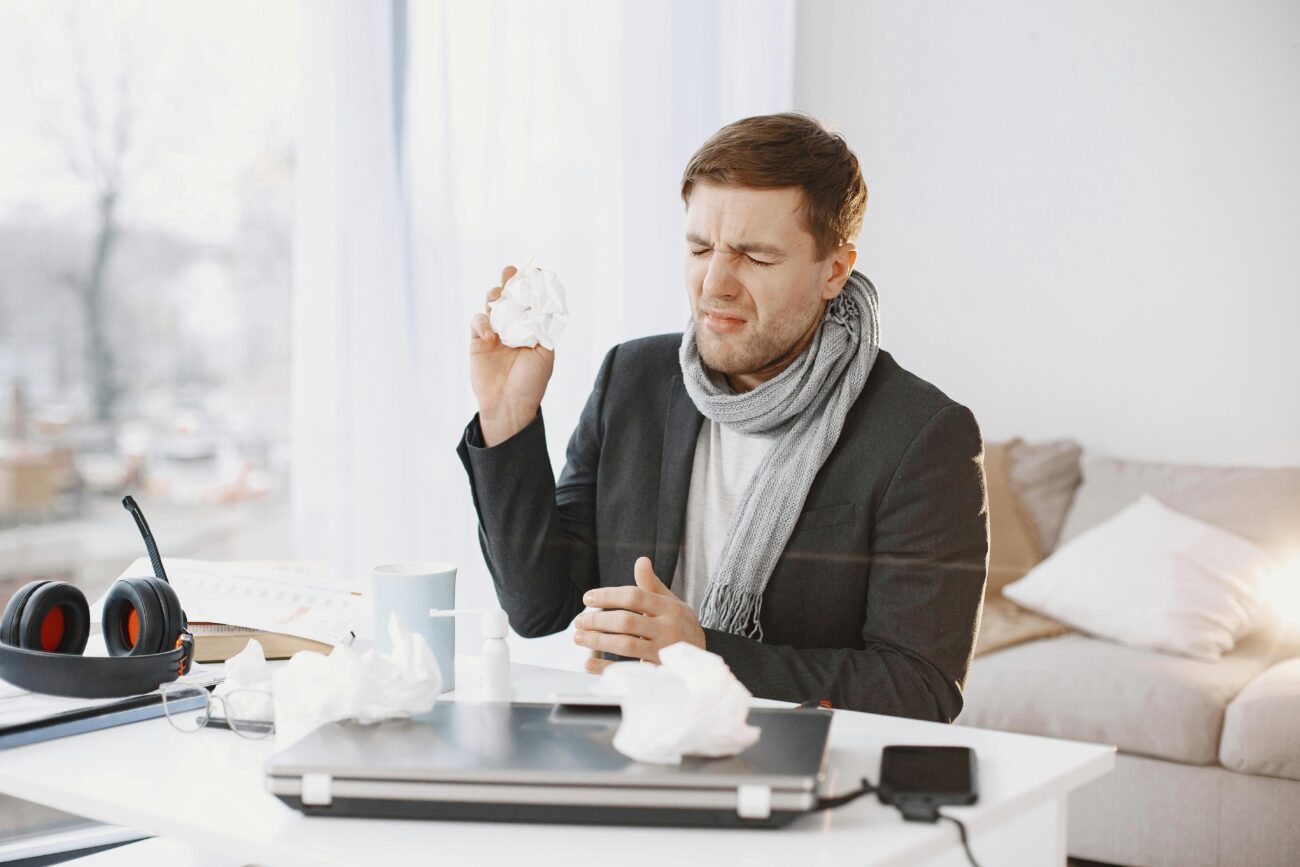
Anxiety is a common experience for many, but what happens when mental unease manifests in your body? Understanding the physical stress symptoms of anxiety can help you recognize when your mental health is influencing your physical well-being. In this article, we will delve into the key signs of anxiety-related physical stress and discuss effective management strategies to help regain balance and improve quality of life.
What is Anxiety?
Anxiety is a natural response to stress, and it can occur in various formats, such as generalized anxiety disorder (GAD), panic disorder, and social anxiety, among others. While the mental aspects of anxiety are well-documented, it’s crucial to recognize that these feelings often come with a slew of physical symptoms.
Key Physical Symptoms of Anxiety
Understanding these physical symptoms can help you identify anxiety before it escalates:
1. Muscle Tension
Tension can manifest as tightness in your neck, shoulders, or jaw. This chronic muscle tension may lead to headaches or migraines, impacting both your physical and emotional state.
2. Increased Heart Rate
Anxiety can trigger your “fight or flight” response, causing your heart to race. This symptom, known as tachycardia, can lead to feelings of panic and exacerbate anxiety.
3. Sweating and Trembling
You may experience excessive sweating, clammy hands, or trembling when you’re anxious. This heightened state can lead to embarrassment in social situations, fueling a negative cycle of anxiety.
4. Shortness of Breath
Anxiety often leads to rapid, shallow breathing, leaving you feeling lightheaded or even dizzy. This symptom may be mistaken for a medical condition but is typically anxiety-related.
5. Gastrointestinal Issues
Stomach aches, nausea, and even digestive disorders like Irritable Bowel Syndrome (IBS) can arise from anxiety. The connection between your brain and gut is profound, and anxiety can exacerbate gastrointestinal symptoms.
6. Fatigue
Chronic anxiety can be exhausting, leading to mental and physical fatigue. The constant state of worry drains your energy, making it difficult to focus or engage in daily activities.
Recognizing the Connection Between Mind and Body
The interplay between mental and physical health cannot be overstated. Chronic anxiety does not just affect your emotional landscape; it also exerts a significant toll on your physical body. Recognizing these signs is crucial to managing your overall well-being effectively.
Effective Management Strategies
While understanding these symptoms is vital, knowing how to manage them is just as important. Here are several evidence-based approaches to help alleviate physical stress symptoms associated with anxiety:
1. Mindfulness and Relaxation Techniques
Practicing mindfulness through meditation or deep-breathing exercises can help reduce physical tension and promote relaxation. Techniques such as progressive muscle relaxation can also alleviate muscle tightness.
2. Regular Physical Activity
Engaging in regular exercise can boost your mood and reduce anxiety levels. Activities like yoga and tai chi combine movement with mindfulness, making them particularly effective for managing both physical tension and emotional stress.
3. Balanced Nutrition
A healthy diet can influence your mood and overall health. Incorporate a variety of fruits, vegetables, whole grains, and lean proteins. Foods rich in omega-3 fatty acids, such as salmon and walnuts, have also been shown to improve mental health.
4. Quality Sleep
Sleep deprivation exacerbates anxiety symptoms. Aim for 7–9 hours of quality sleep per night by establishing a consistent bedtime routine and creating a restful environment.
5. Seek Professional Help
If your symptoms persist, consider consulting a mental health professional. Therapy options like cognitive-behavioral therapy (CBT) or medication may be beneficial for managing anxiety.
6. Social Support
Connecting with friends, family, or support groups can provide a sense of belonging and help alleviate feelings of isolation that often accompany anxiety.
Conclusion
Understanding the physical stress symptoms of anxiety is an essential step in taking charge of your mental and physical well-being. By recognizing the signs and implementing effective management strategies, you can break the cycle of anxiety and improve your overall quality of life. Remember, you are not alone in this journey. Taking proactive steps towards managing your anxiety can lead to a healthier, more fulfilling life. Whether through mindfulness, exercise, or seeking professional help, taking action is key. Embrace the journey toward better mental and physical health today.
