Author: Felipe — Home Appliance Care Specialist & Practical Maintenance Researcher
Most people don’t think about their washing machine until something goes wrong — strange noises, lingering odors, or clothes that come out less clean than they should. The truth is, a few simple washing machine maintenance tips can prevent most of these problems and add years to your appliance’s lifespan.
I’ve worked with homeowners, renters, and small property managers who were convinced their machines were “dying,” when in reality they just needed basic care that had been overlooked for months or years. The difference between a washer that lasts 7 years and one that lasts 12–15 years often comes down to routine maintenance, not brand or price.
This guide is different from the usual checklist articles. Instead of vague advice, you’ll learn exact steps, realistic schedules, and the reasons behind each task — so you understand what matters and what doesn’t. Whether you own a front-load or top-load machine, these practical habits will help you avoid costly repairs and keep your laundry routine stress-free.
Why Washing Machine Maintenance Matters More Than Most People Think
A washing machine is one of the hardest-working appliances in any home. It deals with water, detergent residue, lint, minerals, and constant movement — all conditions that gradually wear down components.
According to data from the National Association of Home Builders, the average lifespan of a washing machine is about 10–13 years when properly maintained. However, poor maintenance — especially ignoring buildup and overloading — is one of the top reasons machines fail early.
Energy agencies also report that clogged filters and dirty drums can increase electricity consumption by up to [VERIFY: percentage increase in energy use due to poor maintenance], meaning maintenance affects not just longevity, but operating cost.
The key takeaway: maintenance is not about perfection — it’s about consistency.
The Core Washing Machine Maintenance Tips Everyone Should Follow
These are the foundational habits that apply to nearly every washer model.
1. Clean the Drum Monthly (Even If It Looks Clean)
Residue builds up slowly, so you may not notice it right away. But over time, detergent, fabric softener, and body oils create a film that traps bacteria and causes odor.
Step-by-step:
- Run an empty hot cycle
- Add either:
- 2 cups of white vinegar, or
- A manufacturer-approved washing machine cleaner
- Let the cycle finish completely
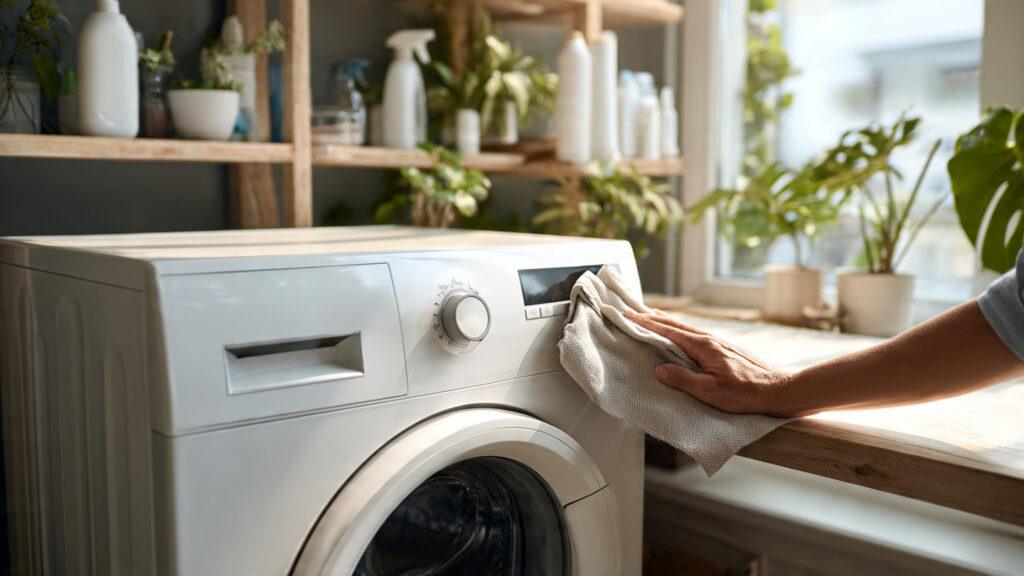
- Wipe the drum with a dry cloth
Front-load machines especially benefit from this routine because their sealed design traps moisture more easily.
Frequency:
Once per month for normal households
Every 2 weeks if you do heavy laundry (sportswear, work uniforms, towels)
2. Leave the Door Open After Every Wash
This simple habit prevents mold growth — one of the most common causes of washing machine odor.
Moisture left inside the drum creates the perfect environment for mildew.
What to do:
- Leave the door or lid open for at least 2–3 hours after washing
- Wipe the rubber seal if water is visible
This takes less than 10 seconds and can prevent one of the most expensive cleaning issues.
3. Clean the Detergent Dispenser — Most People Forget This
Detergent drawers often become sticky and clogged, which affects how detergent flows into the drum.
How to clean it:
- Remove the drawer (most slide out fully)
- Rinse with warm water
- Use a small brush to remove buildup
- Dry before reinserting
Frequency:
Every 4–6 weeks
How Often Should You Maintain a Washing Machine? (Simple Schedule)
Here’s a realistic routine that balances effectiveness with convenience.
After Every Wash
- Leave the door open
- Check for visible residue
Weekly
- Wipe the rubber seal
- Inspect for unusual noise or vibration
Monthly
- Clean the drum
- Clean the detergent drawer
- Check hoses
Every 6 Months
- Inspect water inlet filters
- Level the machine
Once Per Year
- Deep clean
- Replace worn hoses if needed
This schedule reflects what appliance technicians typically recommend in residential settings.
Check and Clean the Filter — The Most Overlooked Maintenance Task
Many people don’t even know their washing machine has a filter.
But this component protects the pump from lint, coins, and debris.
A clogged filter can cause:
- Slow drainage
- Water leaks
- Loud noises
- Cycle failure
If your machine is already showing symptoms like these, this detailed troubleshooting resource can help:
Washing Machine Problems: Fix Them Step by Step
How to Clean the Filter
- Turn off the machine
- Locate the filter panel (usually front-bottom)
- Place a towel underneath
- Remove the filter slowly
- Rinse under running water
- Reinstall securely
Frequency:
Every 2–3 months
Avoid Overloading — The Fastest Way to Damage a Washer
Overloading is responsible for a large percentage of mechanical failures.
It stresses:
- The motor
- The drum bearings
- The suspension system
Manufacturers consistently warn that exceeding load capacity reduces lifespan.
A Simple Rule of Thumb
Your laundry load should fill:
- Front-load machines: about 75% of the drum
- Top-load machines: about 80% of the drum
You should be able to place your hand on top of the clothes comfortably.
Use the Right Amount of Detergent (More Is Not Better)
Excess detergent creates foam that leaves residue inside the machine.
Over time, this leads to:
- Odor
- Reduced cleaning performance
- Sensor malfunction
- Drainage issues
According to the American Cleaning Institute, modern high-efficiency (HE) washers require significantly less detergent than older models.
Typical recommendation:
- 1–2 tablespoons for a normal load
Not a full cap.
Inspect Hoses — A Small Check That Prevents Major Damage
Burst hoses are one of the most common causes of household water damage.
Insurance industry data shows that washing machine hose failures account for millions of dollars in claims annually in the United States.
What to Look For
- Cracks
- Bulges
- Rust
- Loose connections
When to Replace
Every:
- 3–5 years for rubber hoses
- 5–7 years for braided steel hoses
This is one of the highest-impact maintenance tasks you can do.
Balance and Level the Machine to Prevent Vibration
If your washer shakes excessively, it’s not just annoying — it can damage internal components.
Common causes:
- Uneven floor
- Misaligned feet
- Overloading
How to Check Level
- Place a bubble level on top of the machine
- Adjust the feet until level
- Tighten the locking nuts
This reduces wear on bearings and suspension parts.
In My Experience: The Small Habits That Prevent Most Repairs
After reviewing dozens of maintenance cases and helping households troubleshoot washing machine issues, I’ve found that three behaviors consistently predict problems:
- Leaving the door closed after washing
- Using too much detergent
- Ignoring unusual noise
In my experience, machines rarely fail suddenly. They usually give warning signs weeks or months in advance — louder spin cycles, slower drainage, or mild vibration.
The people who respond early almost always avoid expensive repairs.
Those who wait often end up replacing the machine.
That pattern shows up again and again.
Front-Load vs. Top-Load Maintenance: What’s Different?
Both types need maintenance, but the focus areas differ slightly.
Front-Load Machines
Pay extra attention to:
- Door gasket cleaning
- Moisture control
- Monthly drum cleaning
Front-loaders are more efficient but more sensitive to moisture buildup.
Top-Load Machines
Focus more on:
- Load balance
- Agitator wear
- Lint accumulation
They are generally more forgiving but still benefit from routine cleaning.
Signs Your Washing Machine Needs Maintenance Right Now
Don’t wait for a breakdown.
Watch for these warning signals:
- Musty smell
- Loud spinning noise
- Water not draining properly
- Clothes still dirty after washing
- Excessive vibration
- Longer cycle times
Addressing these early is one of the most cost-effective decisions you can make as a homeowner.
Common Maintenance Mistakes to Avoid
Using Too Much Fabric Softener
It leaves residue that builds up in hoses and the drum.
Ignoring Small Leaks
Even minor leaks can lead to mold or structural damage.
Skipping Routine Cleaning
This is the root cause of most odor problems.
Using the Wrong Detergent
High-efficiency machines require HE detergent.
Using standard detergent can damage sensors and cause foam overflow.
Key Takeaways
- Monthly cleaning prevents most washing machine problems
- Leaving the door open after washing reduces mold risk
- Using less detergent improves performance and lifespan
- Checking hoses regularly prevents costly water damage
- Responding to early warning signs saves money
Conclusion
A washing machine doesn’t need complicated care — it needs consistent attention to a few essential details. The difference between frequent repairs and reliable performance usually comes down to routine habits, not technical skill.
Start with just three actions:
- Clean the drum monthly
- Leave the door open after washing
- Check hoses twice a year
These simple steps create a strong maintenance foundation that protects your appliance, your budget, and your peace of mind.
Small habits today prevent big problems tomorrow.